How Vacuum Technology Improves Efficiency in Industrial Automation
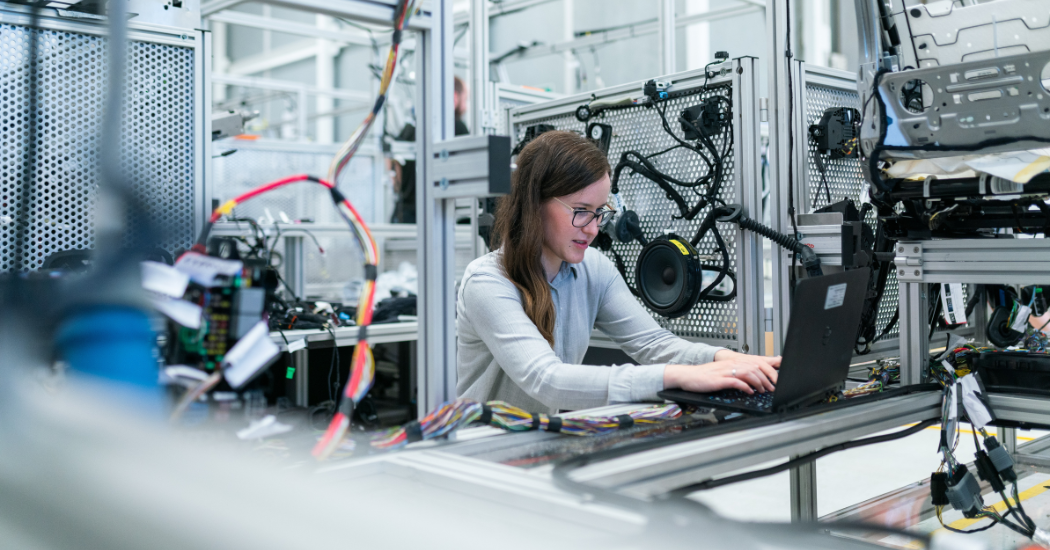
Industrial automation has transformed the way modern factories operate. Manufacturing processes that once required extensive manual labor are now performed using advanced machinery and automated systems. These technologies help businesses increase production speed, maintain consistent quality, and reduce operational costs. Among the many technologies that support automation, vacuum systems play a crucial role in handling, transporting, and controlling materials across different industrial processes.
Vacuum technology is widely used in industries such as packaging, electronics manufacturing, food processing, and material handling. By creating a pressure difference between two environments, vacuum systems can lift objects, remove air from sealed spaces, and move materials efficiently. Because of this versatility, vacuum systems are commonly integrated into automated production lines where precision and reliability are essential.
One important component used in such systems is the pneumatic vacuum pump, which generates vacuum pressure using compressed air rather than electrical motors. This type of pump is often used in industrial environments where compressed air systems are already available, allowing manufacturers to create reliable vacuum sources without adding complex electrical equipment.
Understanding Vacuum Technology in Industry
Vacuum technology works by removing air from a confined space, creating a pressure lower than the surrounding atmosphere. This pressure difference allows equipment to grip, move, or hold objects securely.
In manufacturing environments, vacuum systems are frequently used with suction cups or vacuum grippers to lift products during assembly or packaging. For example, automated machines may use vacuum suction to pick up items from a conveyor belt and place them into packaging or onto another production line.
Because vacuum systems operate without mechanical gripping parts, they are ideal for handling delicate or irregularly shaped objects that might otherwise be damaged during handling.
How Pneumatic Vacuum Systems Work
Vacuum systems powered by compressed air operate on a simple principle. When compressed air flows through specially designed channels inside the device, it accelerates and creates a pressure drop that draws air from the surrounding environment. This process generates vacuum pressure that can be used for suction or material handling.
A pneumatic vacuum pump uses this airflow principle to generate vacuum without requiring rotating parts or electric motors. As compressed air passes through the internal chamber, it creates a low-pressure zone that pulls air from the connected vacuum line.
Because the system relies on airflow rather than mechanical components, it can operate quickly and with minimal maintenance.
Advantages of Pneumatic Vacuum Systems
Vacuum pumps powered by compressed air offer several advantages in industrial environments.
Compact design
These pumps are typically small and lightweight, making them easy to install in machines or automated equipment where space may be limited.
Quick response time
Because the vacuum is generated instantly when compressed air flows through the device, the system can respond quickly during automated operations.
Low maintenance
Since many pneumatic vacuum pumps have few or no moving parts, they require less maintenance compared with mechanical pumps.
Safe operation
In environments where electrical sparks could pose a risk, air-powered systems provide a safer alternative to electrically driven pumps.
These benefits make pneumatic vacuum technology particularly useful in automated production lines.
Common Industrial Applications
Vacuum technology powered by compressed air is widely used in many industries.
Packaging operations
Automated packaging systems often use vacuum suction to pick up boxes, bags, or containers and position them for filling or sealing.
Electronics manufacturing
Small electronic components can be delicate and difficult to handle using mechanical tools. Vacuum systems allow automated machines to move these components safely during assembly.
Material handling
Factories frequently use vacuum-based lifting systems to move sheets of glass, metal panels, or plastic materials.
Robotic automation
Industrial robots often use vacuum grippers to pick up and place products during assembly or packaging processes.
Because vacuum systems can handle a wide variety of shapes and materials, they are highly adaptable to different manufacturing environments.
Choosing the Right Vacuum Pump
Selecting the right vacuum pump depends on several factors related to the specific application.
Vacuum level required
Different tasks require different levels of vacuum pressure. For example, lifting heavy objects may require stronger suction compared to handling lightweight materials.
Air supply availability
Since pneumatic systems rely on compressed air, facilities must ensure that their air supply can support the required vacuum generation.
Speed and cycle time
High-speed production lines require vacuum systems that can activate and release quickly during each cycle.
Installation space
Compact systems may be necessary in automated machines where available space is limited.
Careful consideration of these factors helps ensure that the vacuum system performs efficiently in its intended application.
Benefits for Modern Manufacturing
As industries continue to adopt automation technologies, the demand for efficient material handling solutions continues to grow. Vacuum-based systems help streamline operations by allowing machines to move products quickly and precisely.
A pneumatic vacuum pump is particularly valuable in facilities that already use compressed air systems, as it integrates easily into existing infrastructure. Its simple design, reliability, and quick response make it well suited for high-speed industrial processes.
By using vacuum technology, manufacturers can improve workflow efficiency while maintaining product quality and reducing manual handling.
Maintenance and Best Practices
Although pneumatic vacuum systems are generally low maintenance, following a few basic practices can help maintain performance.
Regularly checking compressed air lines ensures that the system receives consistent airflow. Filters should also be maintained to prevent debris from entering the vacuum system.
Operators should monitor suction performance to ensure the system continues to generate adequate vacuum pressure. If performance declines, inspecting air supply connections and vacuum lines can help identify potential issues.
Maintaining clean equipment and stable airflow helps extend the lifespan of vacuum components and ensures reliable operation in demanding industrial environments.
Conclusion
Vacuum technology plays an important role in modern industrial automation, enabling machines to lift, hold, and transport materials with precision and efficiency. By creating controlled pressure differences, vacuum systems provide a flexible solution for handling a wide range of products and materials.
Air-powered vacuum generation systems offer additional advantages such as compact design, low maintenance, and rapid response. These features make them well suited for integration into automated manufacturing equipment.
Understanding how tools like a pneumatic vacuum pump function allows engineers and technicians to implement effective vacuum systems that enhance productivity and support efficient industrial operations.