
How Quartz Materials Support Modern Kitchen Design
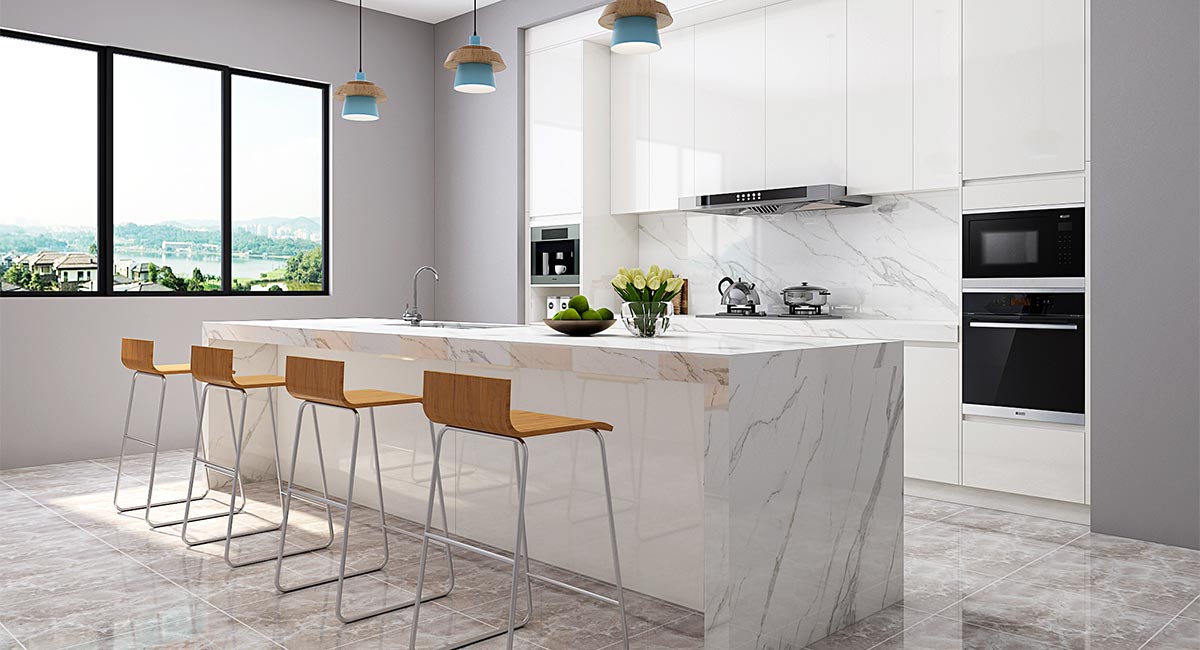
Modern kitchen design is defined by clean lines, balanced proportions, and spaces that feel both functional and visually calm. Homeowners today want kitchens that look refined without feeling cold or impractical. Materials play a critical role in achieving this balance, especially surfaces that occupy large visual areas.
Countertops are one of the most influential design elements in a modern kitchen. They shape first impressions, guide color choices, and influence how the space is used every day. When the right surface is chosen, it supports modern aesthetics while remaining practical for daily life.
This design-focused approach is frequently highlighted by BNJ Granite & Cabinets, where material selection is guided by both contemporary style and long-term usability.
What defines modern kitchen design
Modern kitchens emphasize simplicity, clarity, and intentional design. Visual clutter is minimized, and every element has a purpose. Finishes are smooth, colors are often neutral, and transitions between surfaces feel seamless.
Rather than decorative excess, modern design relies on proportion and consistency. Materials that support these qualities help kitchens feel open, organized, and cohesive.
The role of surfaces in visual simplicity
Large surfaces such as countertops have a strong visual impact. Busy patterns or inconsistent finishes can disrupt the clean look that modern kitchens aim to achieve.
Smooth, consistent materials support visual flow. They allow cabinetry, lighting, and layout to stand out without competing for attention.
Consistency as a modern design principle
Consistency is a cornerstone of modern interiors. When surfaces maintain uniform color and texture, the kitchen feels intentional and balanced.
Quartz Countertops are engineered to provide consistent appearance across the entire slab. This uniformity aligns well with modern design principles that value order and predictability.
Clean lines and smooth finishes
Modern kitchens often feature flat-panel cabinets, handle-free designs, and streamlined layouts. Countertops with smooth edges and refined finishes complement these elements.
Sharp visual breaks are avoided in favor of continuous surfaces. Clean edges help reinforce the sleek aesthetic associated with contemporary kitchens.
Color control and design flexibility
Modern design frequently uses neutral palettes such as whites, grays, and soft earth tones. These colors create calm environments and provide flexibility for future updates.
Engineered surfaces offer precise color control, making it easier to match countertops with cabinets, backsplashes, and flooring. This precision supports cohesive design planning.
How quartz supports minimalist aesthetics
Minimalism is a common influence in modern kitchens. It focuses on reducing excess and highlighting essential forms.
Quartz Countertops support this approach by offering subtle patterns and smooth finishes that do not overpower the space. The surface enhances the design without becoming the focal point.
Visual balance with cabinetry
In modern kitchens, cabinetry and countertops work together as a unified system. Countertops should complement cabinet finishes rather than compete with them.
Neutral quartz surfaces balance bold cabinet colors and add depth to lighter palettes. This harmony strengthens the overall design.
Supporting open-concept layouts
Many modern kitchens are part of open-concept living spaces. In these layouts, the kitchen is visible from multiple angles.
Consistent surfaces help kitchens blend smoothly with surrounding areas. When countertops maintain a clean and uniform look, they integrate easily into open spaces.
Reflecting light and enhancing space
Light plays a major role in modern interiors. Bright, reflective surfaces help spaces feel larger and more open.
Smooth countertop finishes reflect natural and artificial light evenly. This interaction enhances brightness and supports the airy feel associated with modern kitchens.
Practical performance in modern living
Modern kitchens are not just about appearance. They are designed to support busy lifestyles, shared spaces, and frequent use.
Durable surfaces ensure that the kitchen maintains its refined look even with daily activity. Performance and aesthetics must work together.
Easy maintenance and clean design
Modern design often values simplicity in both form and function. Materials that are easy to maintain support this philosophy.
Surfaces that clean easily help kitchens look polished with minimal effort. This practicality reinforces the appeal of modern living.
Seamless integration with appliances
Modern kitchens often feature integrated or built-in appliances. Countertops must align precisely to maintain clean transitions.
Engineered surfaces allow for accurate fabrication and installation. This precision supports seamless integration and a cohesive final result.
Edge profiles and modern detailing
Edge profiles influence how modern a countertop appears. Straight or lightly eased edges are commonly used to maintain clean lines.
These subtle details contribute to the overall aesthetic without drawing attention away from the design as a whole.
Long-term relevance of modern materials
Modern kitchens are designed to remain relevant over time. Materials that age well help prevent the space from feeling dated.
Quartz Countertops maintain consistent appearance and performance, supporting long-term design relevance without frequent updates.
Reducing visual noise
Visual noise occurs when too many patterns or textures compete in a space. Modern kitchens aim to reduce this effect.
Uniform countertop surfaces create a calm backdrop that allows other elements, such as lighting or hardware, to stand out intentionally.
Supporting functional layouts
Modern kitchens prioritize efficient layouts and clear work zones. Countertops must support food preparation, serving, and daily tasks without disruption.
Durable, stable surfaces enhance functionality while maintaining a refined appearance.
Customization within modern design
Modern does not mean generic. Subtle customization allows homeowners to personalize their space while keeping a clean aesthetic.
Color selection, finish choice, and edge details provide opportunities for individuality within modern design boundaries.
Professional guidance in modern planning
Achieving a modern kitchen requires careful coordination of materials, layout, and finishes. Professional insight helps balance these elements effectively.
BNJ Granite & Cabinets often guides homeowners through material selection to ensure countertops align with modern design goals and practical needs.
Creating harmony across the kitchen
Modern kitchens succeed when all elements feel connected. Countertops play a central role in establishing this harmony.
When surfaces support cabinetry, lighting, and layout, the entire space feels cohesive and intentional.
Why modern kitchens favor engineered surfaces
Engineered materials offer predictability and control, qualities that align well with modern design values.
Quartz surfaces provide designers and homeowners with confidence in both appearance and performance.
Designing for today and tomorrow
Modern kitchens should adapt to changing tastes without major renovation. Neutral, consistent surfaces make updates easier.
This adaptability protects long-term investment and satisfaction.
Conclusion
Modern kitchen design depends on materials that support clean lines, visual balance, and functional performance. Countertops are especially influential because they shape both appearance and daily use.
By choosing Quartz Countertops, homeowners create modern kitchens that feel refined, cohesive, and practical. With thoughtful planning and expert support from BNJ Granite & Cabinets, quartz surfaces become a foundation for modern design that balances simplicity, durability, and long-term relevance.


