From Lab to Lawsuit: How Prescription Drugs End Up in Court
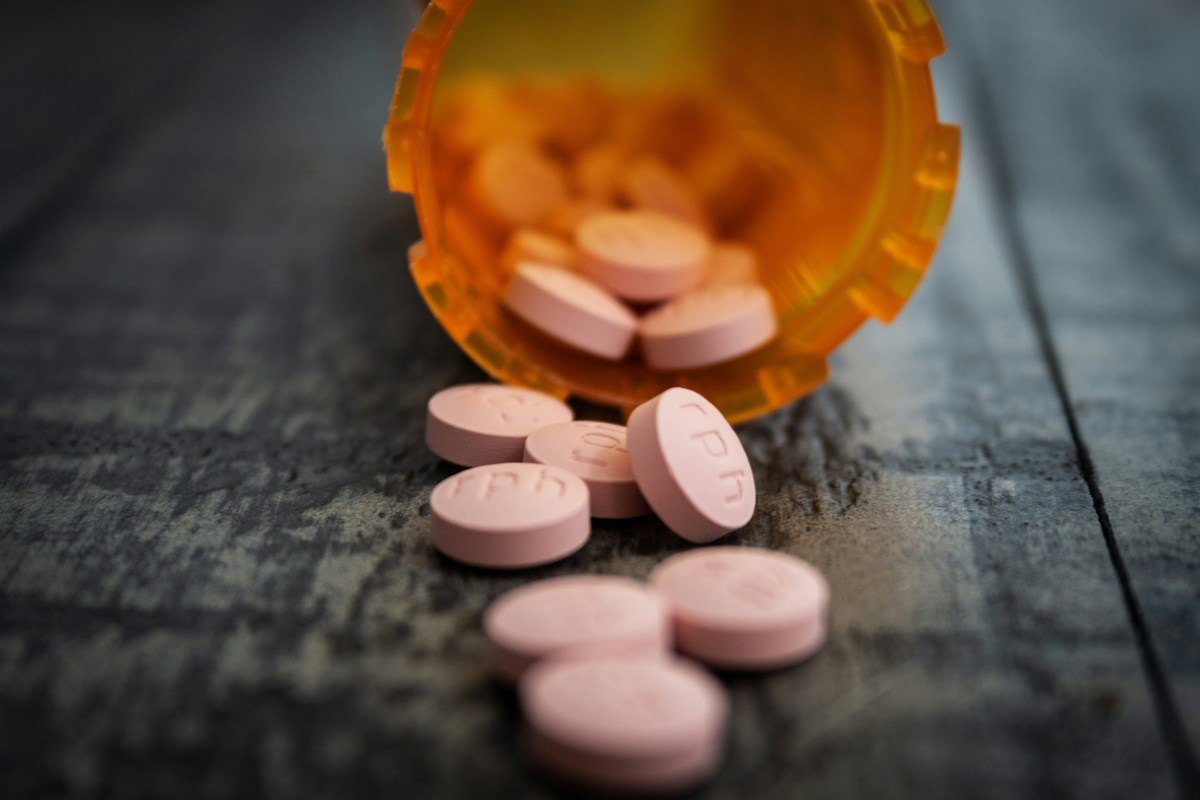
Prescription drugs begin their journey in research laboratories with the promise of improving lives. Years of development, clinical testing, and regulatory review are meant to ensure safety and effectiveness before a medication ever reaches patients. Yet despite these safeguards, many drugs ultimately become the subject of lawsuits. Understanding how a prescription drug travels from lab bench to courtroom helps explain why pharmaceutical litigation remains a critical part of consumer protection.
The Drug Development Process: Where It All Starts
Every prescription drug begins with extensive research and development. Pharmaceutical companies invest years identifying chemical compounds, testing them in laboratories, and evaluating their potential benefits. If early results are promising, the drug advances to preclinical studies and then to human clinical trials, where safety and efficacy are evaluated in phases.
While this process is rigorous, it is not infallible. Clinical trials are limited in duration and scope, meaning rare side effects or long-term risks may not surface until a broader population uses the drug. These gaps often serve as the foundation for later legal claims.
FDA Approval and Market Release
Once clinical trials are complete, drug manufacturers submit their findings to the U.S. Food and Drug Administration (FDA) for approval. The FDA reviews trial data, proposed labeling, and safety warnings before approving a drug for the market. Approval signals that a drug’s benefits outweigh its known risks—based on available evidence at that time.
However, FDA approval does not guarantee absolute safety. Post-market surveillance frequently reveals adverse effects that were not apparent during clinical trials. When manufacturers fail to update warnings or address emerging risks, legal exposure can quickly follow.
As Sarah N. Westcot, Managing Partner at Bursor & Fisher, P.A., notes, “FDA approval does not absolve pharmaceutical companies of responsibility once a drug is on the market. When new data, adverse events, or safety signals emerge, manufacturers have a continuing legal duty to update warnings and clearly communicate risks. Failure to do so can place patients in harm’s way and expose companies to significant legal liability .”
Post-Marketing Risks and Patient Harm
After a drug reaches consumers, real-world use may reveal serious complications. Patients may experience side effects that are more severe, more frequent, or entirely different from those disclosed in the drug’s labeling. Adverse event reports, independent studies, and internal company data can all signal emerging safety concerns
Problems arise when manufacturers minimize these risks, delay warnings, or fail to communicate them clearly to healthcare providers and patients. In such cases, injured individuals may argue that they were denied the information needed to make informed medical decisions.
How Legal Claims Begin
Pharmaceutical lawsuits often begin when patterns of injury emerge. Individual patients may file claims alleging design defects, manufacturing errors, or—most commonly—failure to warn. As more cases surface, litigation can expand into mass torts or class actions, consolidating claims that involve the same medication and similar injuries.
Discovery plays a crucial role at this stage. Internal company emails, research data, and marketing strategies are examined to determine whether manufacturers knew—or should have known—about the risks before disclosing them.
From a consumer trust perspective, Gerrid Smith, Chief Marketing Officer at Joy Organics, emphasizes, “When health-related companies fail to communicate risks clearly, the legal fallout reflects a deeper breakdown in accountability and transparency that consumers no longer tolerate.”
The Role of Courts in Pharmaceutical Accountability
Courts serve as the final checkpoint in the drug safety system. Judges and juries assess whether pharmaceutical companies met their legal obligations and whether corporate decisions harmed patients. Expert witnesses—often physicians, pharmacologists, and scientists—help explain complex medical evidence and establish causation.
Outcomes can range from settlements to multimillion-dollar verdicts, depending on the severity of harm and the conduct involved. Beyond compensation, these cases often lead to stronger warnings, drug recalls, or changes in industry practices.
Why Pharmaceutical Litigation Matters
Pharmaceutical litigation is not just about individual compensation—it plays a broader role in public health. Lawsuits expose unsafe practices, deter future misconduct, and push companies to prioritize patient safety over profit. Many of the warning labels and safety protocols in place today exist because earlier patients pursued legal action.
For consumers, understanding how drugs move from laboratory innovation to legal scrutiny underscores the importance of vigilance, informed consent, and accountability in healthcare.
Final Thoughts
The path from lab to lawsuit is rarely straightforward. It reflects the complex intersection of science, regulation, corporate responsibility, and human impact. While prescription drugs offer immense benefits, litigation remains a vital mechanism for addressing harm when safeguards fail.
For patients affected by dangerous or inadequately labeled medications, the courtroom can become the place where unanswered questions finally receive accountability—and where safer standards are reinforced for the future.