Common Causes of Rear-End Collisions and How to Prevent Them
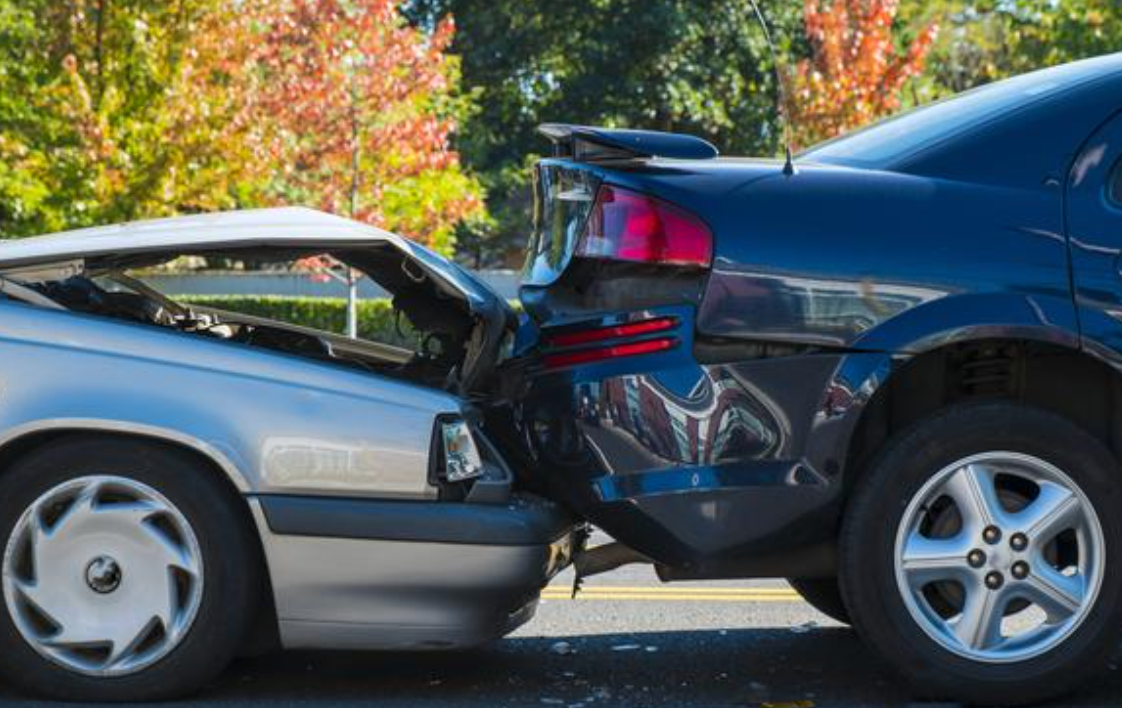
Rear-end collisions are one of the most frequent types of road accidents worldwide. They usually occur when one vehicle hits the back of another due to delayed reaction, poor judgment, or preventable driving errors.
Although these crashes may seem minor, they can lead to serious injuries, vehicle damage, and legal consequences. Understanding exactly why rear-end collisions happen and how to prevent them can help drivers stay safer on the road.
Distracted Driving
Distracted driving is one of the common injuries from rear-end collisions. When a driver’s attention shifts from the road—even for a few seconds—their reaction time increases significantly.
Common distractions include:
- Mobile phone use (texting, calling, checking notifications)
- Adjusting car controls (AC, audio system)
- Eating or drinking
- Looking at passengers or outside objects
Even at 40–50 km/h, a few seconds of inattention can cause a driver to miss brake lights or sudden stops ahead. The car continues moving at full speed while the driver is mentally “off the road,” causing an immediate rear-impact crash.
Prevention:
- Keep phones on silent or use hands-free mode.
- Set navigation or music before starting the trip.
- Avoid multitasking while driving.
- Maintain eyes and focus fully on the vehicle in front.
Tailgating
Many drivers follow the vehicle in front far too closely, leaving no space to react. Tailgating reduces the margin for error—if the front vehicle brakes suddenly, the trailing driver has almost no chance to stop in time.
Why it happens:
- Aggressive or impatient driving
- Misjudging safe distance
- Overconfidence in braking ability
- Heavy traffic leading to tight spacing
The recommended “3-second rule” states that you should maintain at least 3 seconds of distance from the vehicle ahead (more during rain, fog, or at high speeds).
Prevention:
- Maintain a safe following distance at all times.
- Increase the gap during bad weather or poor visibility.
- Avoid aggressive driving behaviors.
Sudden Braking or Speed Changes
Yes. When drivers brake abruptly without warning, the vehicle behind may not have enough time to respond. Sudden changes in speed confuse trailing drivers and disrupt the flow of traffic.
Typical scenarios include:
- Slamming brakes to avoid potholes or speed breakers
- Stopping suddenly at traffic signals or intersections
- Cutting across lanes with abrupt deceleration
- Stopping to pick someone up or talk to pedestrians
Prevention:
- Brake gradually by anticipating road conditions early.
- Use turn signals and hazard lights when required.
- Avoid sudden maneuvers and maintain predictable driving patterns.
Poor Weather or Low Visibility
Rain, fog, and nighttime driving reduce visibility and increase stopping distances. Wet roads can double the time it takes to stop, while fog limits how far ahead a driver can see.
Risk factors include:
- Slippery road surfaces
- Low visibility due to rain, fog, or glare
- Hydroplaning at high speeds
- Ineffective or dirty headlights and tail lights
Prevention:
- Drive slower than usual in bad weather.
- Keep headlights, taillights, and windshields clean.
- Increase following distance to allow additional braking time.
- Use fog lights when visibility is extremely low.
Vehicle Conditions
Absolutely. Poorly maintained vehicles contribute significantly to accidents, especially when brakes or tires fail to respond quickly.
Common mechanical issues:
- Worn-out brakes
- Bald or underinflated tires
- Faulty brake lights not warning the vehicle behind
- Weak suspension affecting stability
When brakes are worn out, stopping distance becomes longer, making it harder to avoid hitting a vehicle in front.
Prevention:
- Conduct regular vehicle servicing.
- Check tire pressure and tread depth.
- Ensure all lights are functioning properly.
- Replace brake pads at recommended intervals.
Driver Fatigue or Impairment
Fatigue slows reaction time in the same way that intoxication does. A tired driver may fail to notice slowed traffic or brake lights ahead.
Signs of fatigue include:
- Frequent yawning
- Blinking slowly
- Drifting between lanes
- Delayed responses
Impairment due to alcohol or medication also reduces concentration, coordination, and braking speed—making rear-end collisions more likely.
Prevention:
- Avoid driving when tired or unwell.
- Take breaks every 1–2 hours on long trips.
- Never drink and drive.
- Be cautious when taking drowsiness-inducing medicines.
Key Takeaways
- Distracted driving is the leading cause of rear-end collisions; even a few seconds of inattention can cause crashes.
- Following too closely (tailgating) reduces reaction time, making sudden stops by the vehicle ahead more dangerous.
- Sudden braking or unpredictable speed changes increase the risk of rear-end accidents.
- Poor weather and low visibility significantly affect stopping distances and driver reaction.
- Vehicle conditions and driver fatigue or impairment (tiredness, alcohol, or medication) play a major role in rear-end collisions.