Brightening Your Smile: The Science and Benefits of Professional Whitening
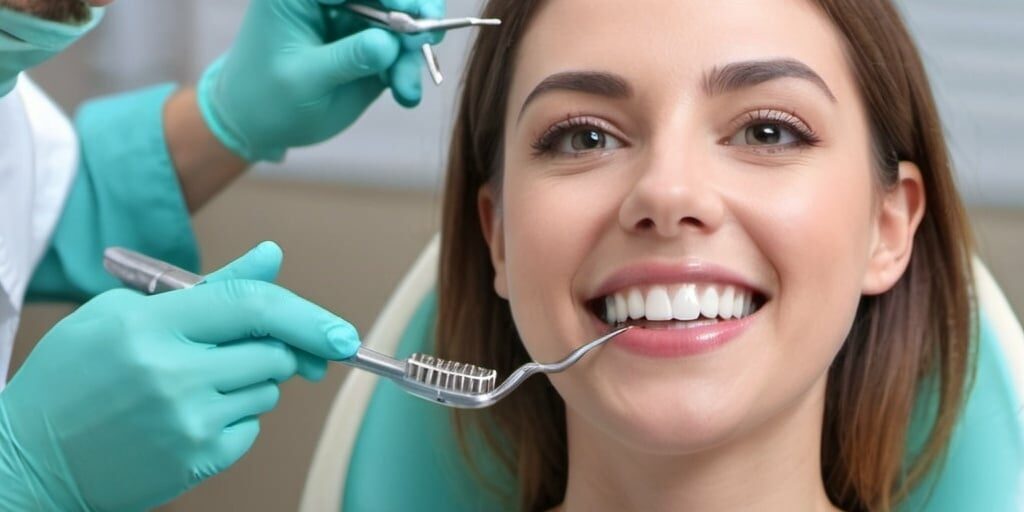
People often notice a bright, white smile first, and it can have a big effect on how we feel in both social and work situations. Over time, habits like drinking coffee, tea, or red wine, as well as getting older, can make teeth lose their shine and get stains that won’t go away. There are a lot of over-the-counter strips and pastes on the market, but they often don’t work very well. If you want a big, safe change, looking into professional teeth whitening pickering gives you access to medical-grade whitening agents that can make your smile several shades brighter in just one appointment. These treatments work well and don’t make your teeth as sensitive as at-home kits do, as long as a dentist is in charge.
How Whitening by a Professional Works
The main difference between professional and store-bought whitening is how much of the whitening agent, which is usually hydrogen peroxide or carbamide peroxide, is in the product. Dentists use a much stronger concentration in a clinical setting. This concentration can get through the porous enamel and break down the carbon chains that cause discoloration.
A lot of modern clinics use a special LED or halogen light to speed up this process. This light “turns on” the gel, which makes the oxygen molecules work faster and better. The dentist puts a protective barrier on your gums before the treatment, which lowers the risk of chemical irritation a lot compared to trays that fit everyone.
Take-Home Kits vs. In-Office Kits
You usually have two good choices when you hire a professional service:
In-office treatment is the quickest option, usually taking 60 to 90 minutes. It’s perfect for someone who needs quick results and has a wedding, graduation, or job interview coming up.
Custom Take-Home Trays: Your dentist makes a set of trays that fit your mouth perfectly by taking an impression of your teeth. You get a professional-strength gel to use at home for a few hours a day for two weeks. This makes the whitening process go more slowly and is great for keeping results for a long time.
Taking care of safety and sensitivity
Tooth sensitivity is a common worry when it comes to whitening. This happens when the peroxide opens the tiny “tubules” in the dentin for a short time, letting temperature changes reach the nerve.
Potassium nitrate or fluoride, which calm the nerves and make the enamel stronger during the whitening process, are now common in professional formulas. A dentist can also change the strength of the gel based on how sensitive you are, making sure that you have a comfortable experience that generic “one-size-fits-all” products can’t give you.
Keeping Your Results
Whitening doesn’t last forever, but how long it lasts depends a lot on how you take care of your teeth after the treatment. To make your smile last as long as possible:
The 48-Hour Rule: Stay away from foods with a lot of color (like blueberries, soy sauce, and turmeric) for at least two days after whitening. This is because the pores in your enamel are more open and can get new stains more easily.
Use a straw: If you’re drinking something dark, a straw can help you avoid your front teeth.
Regular Cleanings: Professional cleanings get rid of “extrinsic” stains before they have a chance to settle into the enamel.
Getting a brighter smile is more than just a cosmetic change; it can also make you feel better about yourself. Choosing a professional setting makes sure that your journey to a whiter smile is safe, works, and is made just for your dental needs.