In-House Fulfillment or a 3PL? How to Decide What Fits Your Brand
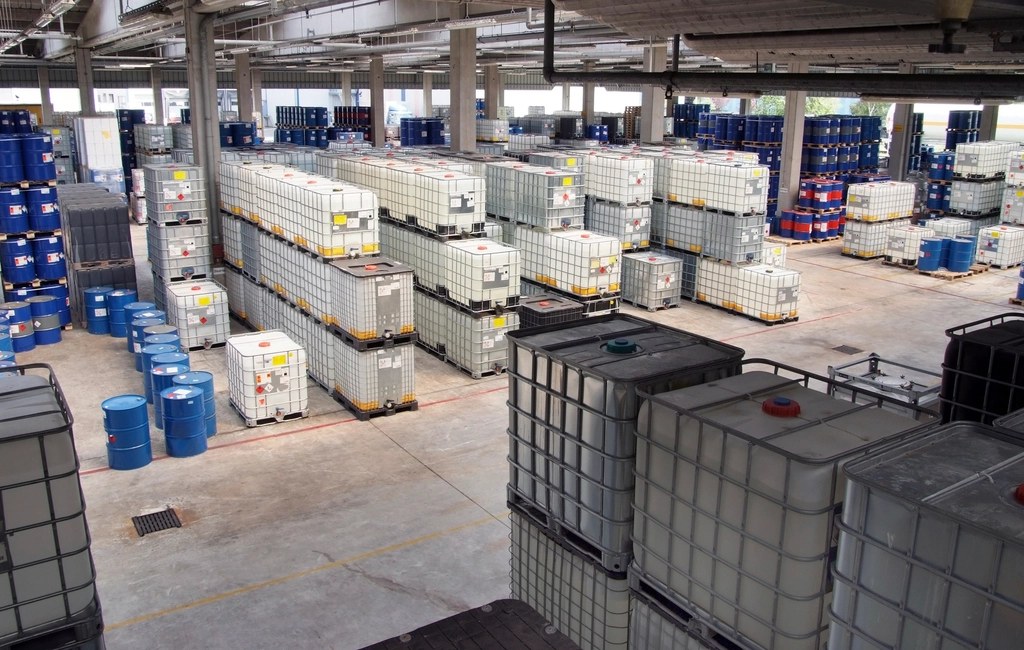
Every growing ecommerce brand eventually faces the same question. Should you keep fulfillment in-house, with your own space and team, or hand it to a third-party logistics (3PL) provider that stores, picks and ships orders for you?
There is no universal right answer. The best choice depends on order volume, product type, how much control you need over the customer experience and how predictable your demand is. Many brands also end up with a mix, running their own site for some products or regions and using a 3PL for others.
This guide lays out the real trade-offs, the costs that are easy to miss, and the systems that keep your operation flexible whichever path you take.
What Each Model Gives You
In-house fulfillment gives you direct control, while a 3PL gives you capacity and flexibility without the fixed overhead. Most of the decision comes down to which of those matters more at your current stage.
Running your own warehouse means you set the standards for packing, quality checks and speed. You can change processes overnight and handle unusual requests, such as personalized notes or custom kits, without negotiating new fees.
A 3PL lets you scale up for peak season and down afterward without hiring or releasing staff. Larger providers also run multiple sites, which can shorten delivery times in regions you could not justify serving from your own building.
Count the Full Cost of Each Option
Comparing a 3PL quote against your current warehouse rent rarely gives an accurate picture. Both models carry costs that only appear once you list them in full.
Include these items when you build the comparison:
- Rent, utilities, insurance and equipment for an in-house site
- Wages, overtime, recruitment and training for warehouse staff
- 3PL receiving, storage, pick, pack and per-order fees
- Minimum monthly charges and peak season surcharges from a 3PL
- Software, integration and account management costs on both sides
Model both options at your current volume and at the volume you expect in two years. A choice that looks cheaper today can become the expensive one as orders grow.
Decide How Much Control You Need
Some products and brands need more hands-on control than a standard 3PL service offers. Be honest about where your fulfillment needs are genuinely unusual.
Fragile items, regulated goods, products with expiry dates and premium unboxing experiences all demand extra care. A 3PL can often handle them, but usually at higher fees and with less flexibility to change processes quickly. If your brand depends on a distinctive delivery experience, factor that into the decision rather than treating it as a detail.
Keep Order Visibility Whatever You Choose
Your sales channels should not need to know who is shipping each order. Keeping order data under your control is what preserves flexibility.
Central order management software collects orders from every channel and routes them to your own warehouse, a 3PL or both, based on rules you set. This separation matters because it lets you add a provider, move a region in-house or switch partners later without rebuilding every marketplace integration.
It also keeps customer communication consistent. Tracking updates and order statuses flow back to each channel in the same way regardless of which building packed the parcel.
If You Stay In-House, Choose Tools That Scale
Brands that keep fulfillment in-house need warehouse systems that grow with them. Older on-premise software often becomes a constraint when you add a second site or new sales channels.
A cloud-based warehouse management system (WMS) avoids much of that friction. Running a cloud wms means no servers to maintain, updates arrive automatically, and managers can see stock and productivity across every location from one login. That accessibility matters most when you open a new site or add temporary staff for peak periods, since setup takes days rather than months.
Check that any system you consider supports barcode scanning, multiple locations and direct integration with your order and carrier tools.
Questions to Ask a 3PL Before Signing
If you lean toward outsourcing, the contract details deserve as much attention as the price. A few direct questions reveal how a partnership will work day to day.
Ask how inventory accuracy is measured and reported, and what happens when stock goes missing. Ask how quickly orders received before the daily cut-off ship, and whether that changes during peak. Confirm how you can access live stock and order data, and what notice period applies if you decide to leave.
Final Thoughts
The in-house versus 3PL decision is really a question of control, cost and flexibility at your current stage of growth. Compare full costs at today’s volume and tomorrow’s, be clear about which products need special handling, and keep order data in a system you own. That way, the choice you make now stays easy to revisit as the business changes.