Seasonal Cigar Care: How to Keep Storage Conditions Stable All Year
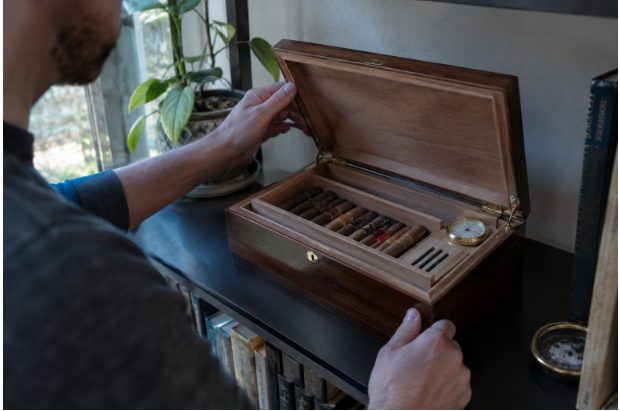
Key Takeaways
- Seasonal temperature and humidity changes can affect cigar quality and storage conditions.
- Use a reliable hygrometer to monitor humidity and temperature consistently.
- Keep the humidor away from direct sunlight, heating equipment, windows, and air-conditioning vents.
- Inspect seals, humidity-control materials, and cigars regularly for signs of storage problems.
- Make gradual adjustments and track long-term trends instead of reacting to every reading.
- Consider an electronic cigar humidifier for larger collections or storage areas with frequent humidity fluctuations.
- Watch for dry wrappers, excessive softness, musty odors, and other signs of potential moisture problems.
Seasonal changes can quietly affect cigar storage. Indoor heating, air conditioning, summer humidity, cold snaps, and direct sun can all change the conditions around a humidor. A setup that seems stable in one season may need closer attention when the weather and your home environment change. The goal is not to chase a perfect number every day. It is to create a steady environment and notice problems before they affect your collection. For larger collections or rooms with frequent swings in humidity, an electronic cigar humidifier can provide a more consistent way to manage humidity while reducing the need for manual adjustments.
Why Seasonal Changes Matter
Indoor conditions change with the seasons, even when a humidor stays in the same place. Winter heating often dries the air, while summer heat and air conditioning can create a different set of swings. Rainy periods, open windows, and changing thermostat settings can also influence the room around your cigars. These changes are easy to miss because they often happen gradually. A humidor near a sunny window may warm up during the afternoon, while one placed near a forced-air vent may lose moisture more quickly when the heat starts running. Over time, unstable storage can affect a cigar's wrapper, draw, burn behavior, and overall smoking experience.
Humidity And Temperature Basics
Relative humidity describes how much moisture is in the air compared with the amount the air can hold at a given temperature. A humidor is designed to control humidity around tobacco, rather than act as a decorative storage box. Consistency matters more than making constant small corrections. Air that is too dry can leave wrappers brittle and more likely to crack. Excess moisture can make cigars feel soft, burn poorly, or develop unwanted odors. Heat deserves equal attention because warm conditions can make high humidity harder to manage. Keep an eye on both readings, especially when the seasons shift.
How To Check Storage Conditions
Use A Reliable Hygrometer
Place a hygrometer where it measures the air around the cigars, not directly beside the humidity source. If the device can be calibrated, follow its instructions before relying on its reading. Monitor conditions for several days before making a major adjustment, since a single unusual reading does not always indicate a lasting problem.
Check The Storage Location
Choose a location with a reasonably stable room temperature, little direct sunlight, and distance from windows, exterior doors, radiators, and HVAC vents. Avoid moving the humidor frequently. A calm, shaded spot in the main living area is often easier to monitor than a garage, attic, or windowsill.
Track Trends, Not Single Readings
Keep a short log with the date, humidity, temperature, and any changes you made. A simple note on your phone is enough. This record makes it easier to identify recurring seasonal patterns and helps prevent overcorrecting a minor fluctuation.
A Seasonal Care Routine
Winter
When indoor heating begins, check whether humidity falls faster than usual. Keep storage away from radiators and heat vents, and inspect the lid, seal, and hinges if readings decline repeatedly.
Spring
Spring weather can bring quick changes between cool and warm days. Look for excess moisture or condensation, clean dust from nearby vents and shelves, and give the storage environment time to settle before changing your humidity setup.
Summer
Protect cigars from hot rooms, sunny areas, garages, and attics. Check temperature and humidity during heat waves, and inspect more often if your storage area feels warmer than usual.
Fall
Before heating systems run regularly again, check the seal and replace humidity-control materials that are dry, damaged, or no longer maintain steady conditions. Review your notes to identify issues that appeared earlier in the year.
Common Storage Mistakes
- Making several changes at once: Adjust one factor, then allow time to see the result.
- Trusting an untested hygrometer: An inaccurate reading can lead to unnecessary corrections.
- Ignoring temperature: Humidity readings mean less if the storage area becomes excessively warm.
- Opening the container too often: Frequent opening can disturb otherwise stable conditions.
- Adding too much moisture: A small dip does not always require a large response.
- Ignoring the seal: A poor seal can make humidity control much more difficult.
- Storing scented items nearby: Keep soaps, oils, candles, and fragrances away from tobacco.
Signs Of A Storage Problem
Low humidity may show up as dry wrappers, cracking near the cap, a very fast burn, or an unusually open draw. High humidity may make a cigar feel soft or spongy, difficult to keep lit, or swollen beneath the wrapper. A damp or musty smell inside the storage area also deserves attention. If you see an unfamiliar substance on a cigar, separate it from the collection rather than guessing. Moisture supports mold growth, and the conditions that allow mold to grow are a reason to inspect the storage area carefully. When the appearance is unclear, ask an experienced tobacconist to evaluate it.
Choosing The Right Storage Setup
- Small humidor: Suitable for a modest collection, but may need more frequent attention when room conditions change.
- Airtight container: A practical, compact option when paired with organized humidity control and a reliable hygrometer.
- Large cabinet: Useful for growing collections, although conditions may vary between shelves.
- Temperature-controlled unit: Worth considering for consistently warm spaces or collections that need closer monitoring.
Frequently Asked Questions
How Often Should Storage Conditions Be Checked?
Check more often during seasonal transitions, heat waves, cold snaps, or after moving the unit. Once conditions are stable, less frequent checks may be enough.
Should The Same Humidity Setting Be Used All Year?
Your preferred target can depend on the cigar, container, room temperature, and personal preference. Make gradual changes and observe how the cigars respond, rather than repeatedly changing the setting.
Can A Humidor Sit In A Closet?
A closet can work if it remains cool, dark, clean, and stable. Avoid closets near bathrooms, exterior walls, or heating equipment when those areas experience noticeable swings.
Why Does Humidity Change After Adding New Cigars?
New cigars may arrive with a different moisture level than the rest of the collection. The reading can shift while everything gradually reaches balance.
A Simple Year-Round Checklist
- Check the hygrometer and room temperature.
- Look for sunlight, vents, or heat sources near the storage unit.
- Inspect seals, hinges, and humidity-control materials.
- Watch for cracked, soft, dry, or musty cigars.
- Make one small adjustment at a time, then record the result.
Conclusion
Seasonal cigar care does not need to become a daily project. A stable location, dependable monitoring, regular inspections, and slow adjustments can prevent many common storage problems. Changes in temperature and humidity can affect how cigars age, burn, and retain their intended flavor, so maintaining consistent storage conditions is more useful than making frequent, unnecessary adjustments. Use a reliable hygrometer to monitor humidity, check the storage environment for signs of mold or overly dry cigars, and ensure the humidor's seal and humidification system are functioning properly. Avoid placing cigars near direct sunlight, heating equipment, air-conditioning vents, or other sources of sudden temperature changes. When the seasons shift, give the environment time to stabilize before deciding whether further adjustments are needed. Focus on long-term trends rather than isolated readings, and your routine will be easier to maintain through every season while helping protect the condition and quality of your cigar collection.