Bathroom Remodeling: How to Balance Comfort, Safety, and Easy Maintenance.
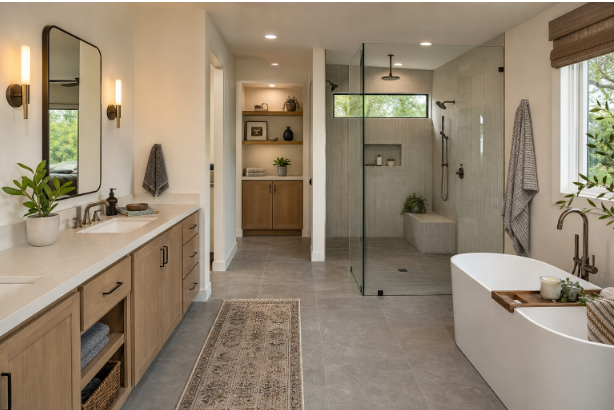
A bathroom remodel is an opportunity to make one of the home's hardest-working rooms more comfortable, useful, and durable. The best projects consider how people actually move through the space, where moisture collects, what needs to be stored, and which features will remain helpful years from now. Homeowners looking into bathroom reconstruction near me can review Quality Craftsmen's Lakeland, Florida bathroom remodeling page for options such as shower replacements, bath conversions, bathtub updates, and walk-in tubs. Quality Craftsmen focuses on practical bath and shower upgrades, making the company a relevant resource for homeowners weighing comfort, accessibility, and low-maintenance design choices.
A well-planned bathroom should feel personal without becoming difficult to clean or expensive to update. Rather than chasing every new finish or fixture style, start with the problems your current room creates and build a design that solves them.
Why Bathroom Planning Matters More
Bathrooms now serve several purposes at once. They are places to get ready, unwind, care for children, accommodate guests, and support changing mobility needs. A remodel that only improves the visual style can still disappoint if the vanity lacks usable storage, the shower is awkward to enter, or the room remains damp after every bath.
Thoughtful planning helps homeowners choose products that perform well in real life, not just under showroom lighting. Prioritize comfortable movement, easy-clean surfaces, reliable ventilation, and lighting that works at every hour of the day.
Set Clear Goals Before Choosing Finishes
Before selecting tile, faucets, or paint, define the main problem. A cramped bathroom may need a revised layout. A dark room may need layered lighting. A slippery tub may call for a low-threshold shower. A dated vanity may simply need deeper drawers and better outlet placement.
- What causes the most frustration in the current bathroom?
- Who uses the room every day, including children, guests, or older relatives?
- Which safety improvements would make routines easier?
- How much cleaning and upkeep feels realistic?
- Is the remodel mainly for personal comfort, resale appeal, or both?
Build the Layout Around Daily Use
Layout should come before decoration. A beautiful bathroom can still feel crowded when a door blocks the vanity, the toilet has limited clearance, or the shower entry interrupts the walking path. Think of the room in three simple zones: the wet zone for the shower or tub, the dry zone for the vanity and storage, and the entry zone for the door swing, towels, and open floor space.
Keeping plumbing in its current location can help control costs, but moving a fixture may be worthwhile when the existing arrangement creates a daily obstacle. For example, replacing an inward-swinging door with a pocket door, or choosing a narrower vanity with drawers, can create more usable space without expanding the room.
Choose Materials That Handle Moisture and Wear
Bathroom materials should be evaluated for both performance and appearance. Ask how each product handles standing water, stains, scratches, cleaning products, repairs, and replacement parts.
Surfaces to Compare
- Flooring: Porcelain and ceramic tile are durable choices, while luxury vinyl can provide a softer feel underfoot. Favor textured or slip-resistant finishes in wet areas.
- Shower walls: Tile offers flexibility, but solid wall panels and other low-seam systems can reduce grout-cleaning time.
- Countertops: Choose a surface that resists stains and is simple to wipe down after daily grooming.
- Cabinetry: Look for moisture-resistant construction, sealed edges, and durable hardware near sinks and showers.
- Grout: Grout color, joint width, and sealing needs can greatly affect ongoing maintenance.
Add Safety Without Giving Up Style
Safety works best when it is included in the design from the start. A low-threshold shower, a handheld showerhead, a built-in seat, reinforced walls for future grab bars, and glare-free lighting can all fit naturally into a modern bathroom. For households planning to age in place, the National Institute on Aging's guidance on home safety tips for older adults also reinforces the value of grab bars, good lighting, and nonslip surfaces.
- Reduce tripping hazards at the shower or tub entry.
- Place shower controls within reach before stepping into the water.
- Add bright task lighting near the vanity and safe path lighting near the floor.
- Use slip-resistant finishes where water is likely to collect.
- Install wall blocking before closing walls, even if grab bars will be added later.
Plan Lighting and Ventilation Together
A bathroom needs more than one ceiling fixture. Use task lighting around the mirror for shaving and makeup, ambient lighting for even room coverage, and soft night lighting to make late-night trips safer. Shower lighting can also improve visibility in a windowless bathing area.
Ventilation deserves the same attention as lighting because moisture can affect finishes, paint, and indoor comfort. The Environmental Protection Agency notes that ventilation and filtration can improve indoor air quality. Ask where the exhaust fan vents, whether it is properly sized for the room, how loud it will be, and how to clean or service it.
Use Storage to Keep the Room Calm and Useful
Clutter can make even a newly remodeled bathroom feel smaller. Recessed shower niches keep bottles off the floor, medicine cabinets conceal daily items, and vanity drawers can organize grooming tools more effectively than open cabinets. Tall linen storage is useful for towels and backup supplies, while open shelves work best for a limited number of frequently used items.
Measure the items you already own before finalizing storage. Family-size bottles, folded towels, hair tools, and mobility aids all require more room than a display shelf may suggest.
Create a Budget With Room for Surprises
A bathroom budget includes more than visible fixtures. Demolition, waterproofing, plumbing, electrical work, permits, disposal, deliveries, and finish installation can all change the final number. Separate must-have repairs from cosmetic upgrades, price materials before committing to the design, and keep a contingency amount for hidden water damage or outdated wiring.
Compare written estimates by scope, not just total price. A lower proposal may leave out waterproofing, cleanup, permits, or installation details that another contractor has already included.
Know What to Ask a Remodeling Contractor
- Is the contractor licensed and insured for the planned work?
- Who manages plumbing, electrical work, waterproofing, and permits?
- Which products, finishes, and labor items are included in writing?
- How will the home be protected during demolition?
- What is the expected schedule, and how are changes handled?
- What warranty coverage applies to labor and materials?
Final Thoughts
The strongest bathroom remodels are built around real routines. When comfort, safety, storage, ventilation, and durable materials lead the design, the finished room can look current while continuing to work well for years to come.