
How Restaurants Can Cut Costs by Sourcing Ingredients Wholesale
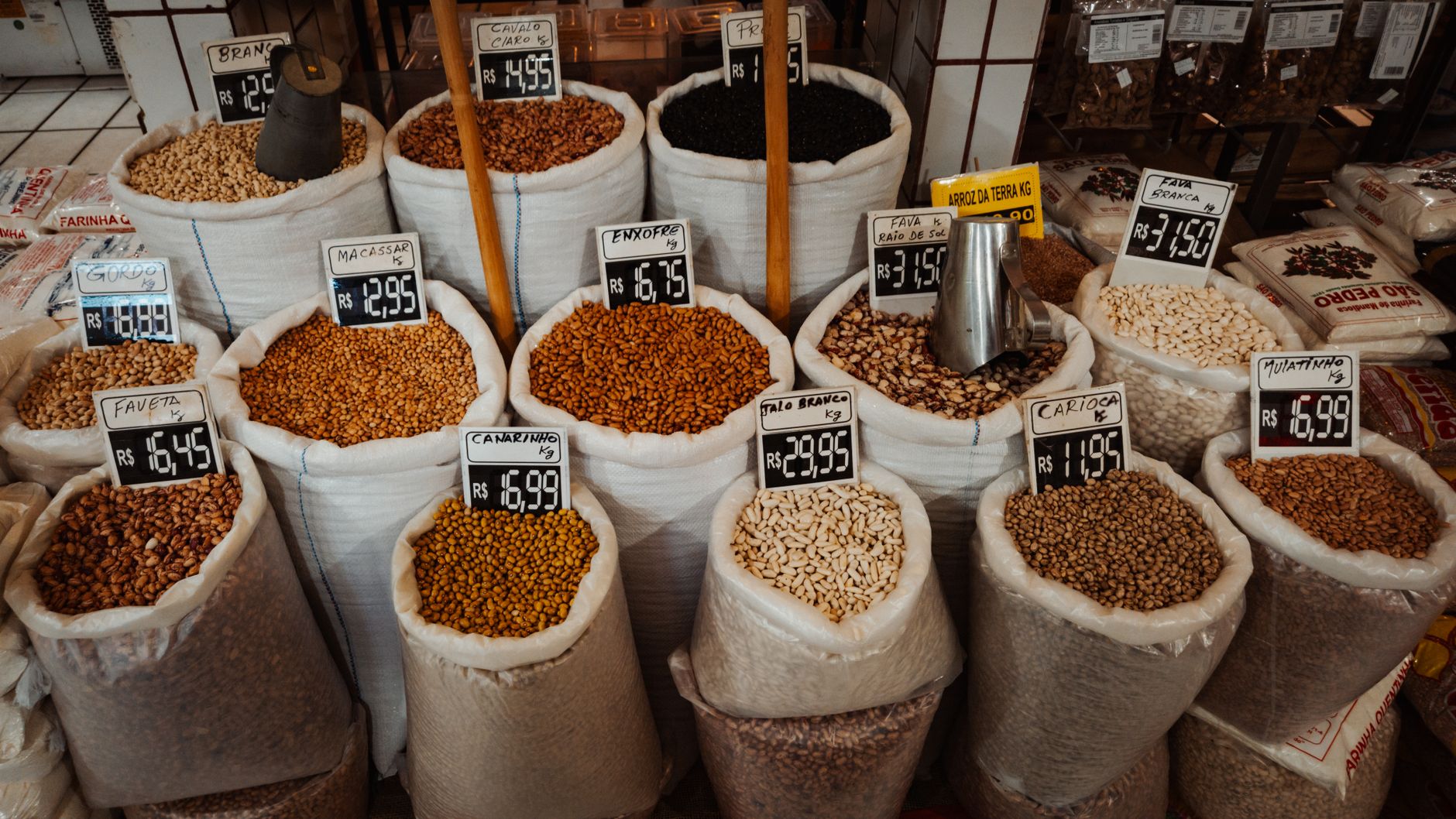
Running a restaurant profitably means constantly balancing food quality against tight margins, and ingredient costs are one of the biggest levers available. Many kitchens still purchase key staples through retail channels or small suppliers, often without realising how much more competitive wholesale sourcing can be.
Making the switch, when done thoughtfully, can meaningfully improve a restaurant's bottom line without compromising the dishes going out to customers, and it often takes less operational change than owners expect.
Understanding Where the Real Savings Come From
Wholesale pricing exists because suppliers can move larger volumes more efficiently, and those savings are passed down the chain to businesses willing to buy in bulk. For high-turnover staples, particularly ingredients used across multiple menu items, the price difference between retail and wholesale can be substantial over the course of a month.
The savings are not just about unit price either. Fewer, larger deliveries reduce staff time spent on ordering and receiving stock, which is an often overlooked cost saving that adds up steadily over a full trading year.
Choosing the Right Staples to Buy in Bulk
Not every ingredient makes sense to buy wholesale. Highly perishable items with short shelf lives can end up costing more in wastage than they save in unit price. Shelf-stable staples, on the other hand, are ideal candidates, since they can be stored for extended periods without quality loss.
For Italian and Mediterranean-style menus in particular, high-quality wholesale pasta is a natural starting point. It has a long shelf life, consistent quality across batches, and features in a wide enough range of dishes that bulk purchasing rarely results in waste.
Managing Storage and Cash Flow
Buying in bulk requires adequate dry storage space and careful stock rotation to avoid older inventory being pushed to the back and forgotten. A simple first-in, first-out system, clearly labelled with delivery dates, prevents this common and entirely avoidable source of waste.
Cash flow also needs consideration. Bulk orders require larger upfront payments, so it is worth timing purchases around periods of stronger revenue or negotiating payment terms with suppliers that align with your business's cash flow cycle.
Training Kitchen Staff on New Supply Routines
A shift to wholesale purchasing often changes day-to-day routines in the kitchen, from how stock is checked in to how it is portioned and stored. Taking the time to walk staff through these new processes early prevents confusion during busy service periods and reduces the risk of inconsistent portioning that can quietly erode the savings a bulk order was meant to deliver.
Clear labelling, simple checklists, and a nominated staff member responsible for stock rotation all help embed the new routine quickly, so the transition feels like a minor adjustment rather than a disruption to service.
Building a Reliable Supplier Relationship
The best wholesale arrangements are built on genuine relationships, not just one-off orders. A supplier who understands your kitchen's needs can flag price changes early, offer more favourable terms as order volume grows, and provide consistency that keeps your menu reliable for customers.
Take time to vet suppliers on quality consistency, not just price. The cheapest wholesale option is not always the best value if inconsistent batches force chefs to adjust recipes or, worse, affect the finished dish that reaches the table.
Reviewing the Numbers Regularly
Cost savings from wholesale purchasing are not always immediately obvious on a day-to-day basis, which is why it helps to review supplier invoices against previous retail spending on a regular schedule, such as quarterly. This makes it easy to see the real impact on margins and to catch any pricing creep from suppliers before it erodes the savings you originally negotiated.
Restaurants that build this kind of review into their regular financial routine tend to keep a much clearer picture of where their food costs are heading, rather than discovering margin pressure only when it shows up in a difficult end-of-year result.
Starting Small Before Committing Fully
For kitchens new to wholesale purchasing, it is often wiser to trial the switch with one or two staples before overhauling the entire supply chain at once. This limits risk while your team adjusts to new storage and ordering routines, and it gives you a clear, low-pressure way to judge a new supplier's reliability before expanding the relationship further.
Once the trial staples are running smoothly, expanding wholesale purchasing to additional ingredients becomes a far more straightforward decision, backed by real operational experience rather than assumptions about how the change will play out.
Shifting to wholesale sourcing for key staples is one of the more straightforward ways restaurants can protect their margins without cutting corners on quality. The savings compound over time, particularly when paired with good storage practices, clear staff routines, and a reliable supplier relationship.
For kitchens looking to strengthen their cost base heading into a competitive trading period, a careful review of what could be bought wholesale is well worth the effort, and it is often one of the fastest changes to show up in the numbers.


