Climate-Specific Efficiency: Choosing Home Upgrades Based on Your Local Weather
Highlights:
- Your climate zone should be the first thing you identify before investing in any home efficiency upgrade — it determines which metrics, materials, and systems will actually pay off.
- Heat pumps in cold climates (Zones 6–7) can consume nearly double the energy of those in mild climates (Zones 1–3), making cold-climate-rated equipment essential in northern states.
- Attic insulation can cut heating and cooling loads by up to 30%, but only when the R-value and material type are matched to local conditions — humidity, in particular, changes the right answer.
- Air sealing combined with insulation delivers 15–30% better performance than insulation alone, making it the highest-ROI starting point for homeowners in mixed climates.
- Generic, one-size-fits-all efficiency advice can actively cost you money — the wrong upgrade for your climate may underperform or even work against your home’s energy goals.
Most home efficiency advice reads like it was written for a mythical average house in a mythical average climate. Swap your bulbs, add a smart thermostat, maybe slap on some insulation — done. But here’s the problem: a homeowner in Phoenix and a homeowner in Minneapolis are fighting completely different battles against completely different weather. What saves one of them hundreds of dollars a year might barely move the needle for the other.
The truth is, climate context is everything. The upgrades that pencil out in your zip code depend directly on where you fall on the spectrum from scorching-hot and humid to brutal-cold and dry. In 2026, we have better data than ever to prove it. So let’s stop pretending one-size-fits-all efficiency advice is actually helpful — and start talking about what works where.
Why Your Climate Zone Is the Starting Point, Not an Afterthought
Before you pull out your wallet for any home improvement, the single most useful question you can ask is: what is my dominant energy burden? Are you primarily fighting heat gain in summer? Heat loss in winter? Or a two-season struggle with both?
The U.S. Department of Energy divides the country into eight climate zones based on temperature, humidity, and precipitation patterns. These zones aren’t just administrative categories — they’re the foundation of how building codes, insulation requirements, and HVAC sizing guidelines are set. Ignoring them when planning upgrades is like buying shoes without knowing your size.
For cooling-dominant climates (the South and Southwest), your enemy is solar heat gain and high humidity. Every dollar you spend fighting that — through shading, radiant barriers, low-SHGC windows, and high-SEER cooling systems — compounds in value. For heating-dominant climates (the upper Midwest and Northeast), the enemy is heat loss through walls, attics, windows, and air leaks. Every BTU you keep inside the envelope translates to money not spent on fuel.
The good news: once you understand your climate zone, the priority list for upgrades practically writes itself.
Data Point #1: Heat Pumps and Climate Zones — The Efficiency Gap Is Real
One of the most illuminating pieces of 2026 data comes from performance analysis across U.S. climate zones, which confirms that the efficiency gap between a heat pump in a warm climate versus a cold one is significant — and quantifiable.
According to installation data analyzed this year, heat pumps in milder climate zones (Zones 1–3) consume between 3,000 and 5,500 kWh annually, while systems installed in colder zones (6–7) can draw between 6,000 and 10,000 kWh for the same heating output. That’s nearly double the energy consumption — not because the equipment is worse, but because the physics of extracting heat from -10°F air is fundamentally harder than extracting it from 40°F air.
What does this mean practically? It doesn’t mean cold-climate homeowners should avoid heat pumps — far from it. Modern cold-climate units are dramatically better than they were even five years ago. But it does mean the type of heat pump matters enormously. A standard air-source unit designed for mild climates will underperform badly when temperatures drop below 30°F, forcing the backup electric resistance heat to kick in — which is expensive. A cold-climate-rated unit with variable-speed compressor technology maintains much better performance across a wider temperature range and is worth the additional upfront cost in Zones 5 and above.
For warm-climate homeowners (think Texas, Florida, the Gulf Coast), the calculus shifts. Here, your heat pump’s cooling efficiency rating — SEER2 — becomes the number to prioritize. In a climate where your system runs cooling for seven to nine months a year, even a modest jump in SEER2 rating compounds into meaningful bill reductions over time. Prioritizing a high SEER2 rating in a hot climate is the equivalent of prioritizing a high HSPF2 rating in a cold one. The metric that matches your dominant season is the one that actually saves you money.
The bottom line: before you purchase any HVAC system, look up your climate zone and match the unit’s performance specs to what the weather actually demands of it — not just the headline efficiency number.
Data Point #2: Insulation ROI Is Dramatically Different Depending on Where You Live
The second major data point comes from 2026 insulation research, and it reinforces the same core principle from a different angle. Properly installed attic insulation can cut a home’s heating and cooling load by up to 30 percent — but only when the insulation type and R-value are matched to the local climate.
That “matched to the local climate” qualifier is doing a lot of heavy lifting in that sentence.
In cold climates — think Zone 6 states like Minnesota, Wisconsin, and Maine — building codes now call for attic insulation in the R-49 to R-60 range. That’s a thick, dense layer of material designed to trap heat inside during months of sub-freezing temperatures. Fiberglass batts can work here, but blown-in cellulose or spray foam offers better coverage with fewer gaps, which is critical because even small voids can reduce the assembly’s effective performance by 20 to 30 percent.
In hot and humid climates — think the Gulf Coast, Florida, and the Southeast — the insulation strategy flips in important ways. Yes, you still want attic insulation, but moisture resistance becomes a primary concern alongside R-value. Spray foam and rigid foam boards outperform traditional fiberglass in humid conditions because they resist moisture absorption. Additionally, in cooling-dominant climates, a radiant barrier installed in the attic can be just as effective as adding insulation — it reflects solar heat before it ever enters the assembly, which is exactly what you need when your attic is regularly hitting 130 to 140°F in summer.
In mixed climates (Zones 4–5, covering much of the Mid-Atlantic and Midwest), you’re playing both sides, which makes the air sealing component even more critical than the insulation itself. According to the same 2026 research, combining proper air sealing with insulation delivers 15 to 30 percent better performance than insulation alone. For mixed-climate homeowners, this is often the highest-ROI move available.
Matching Upgrades to Your Specific Weather Reality
Beyond heat pumps and insulation, the climate-specific logic applies to nearly every major home upgrade category.
Windows:
In hot climates, solar heat gain coefficient (SHGC) matters more than U-factor. You want windows that block solar radiation, not just insulate against conductive heat loss. In cold climates, it’s the opposite — a low U-factor (meaning better insulation against temperature difference) is the priority. Buying a window optimized for one climate and installing it in another can actually reduce performance compared to a well-installed older window.
Water Heaters:
Heat pump water heaters are extremely efficient — but they pull heat from the surrounding air, which means they work best in spaces that are warm year-round (like a conditioned garage in the South). In a cold northern basement, they can actually increase your heating load in winter. Location and climate context matter here as much as the equipment specs.
Solar Panels:
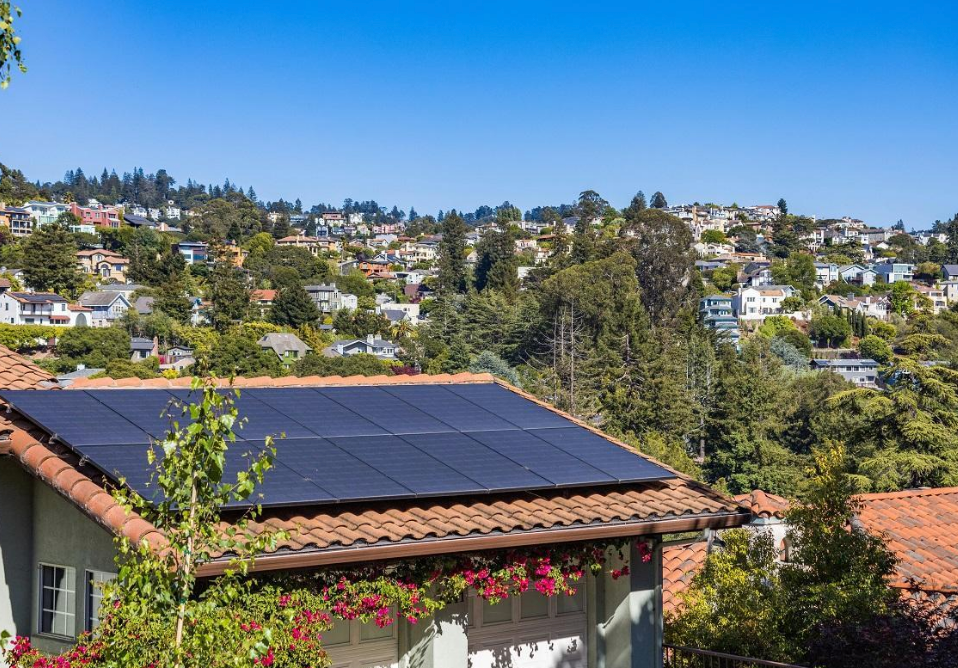
Production potential varies significantly by latitude and cloud cover, but surprisingly, panels in cooler climates often outperform hot-climate installations on a per-watt basis because solar cells lose efficiency in extreme heat. The right sizing calculation is very different in Seattle versus Phoenix.
If you’re trying to prioritize which upgrades to tackle first based on both climate fit and payback speed, this breakdown of eco-friendly upgrades that improve efficiency the fastest in 2026 is a useful companion resource — it layers in the ROI dimension alongside the climate considerations covered here.
How to Actually Figure Out Your Priority List
Here’s a practical framework for deciding where to invest, regardless of where you live:
Step 1: Get a Home Energy Audit
A professional auditor uses a blower door test to measure air leakage, thermal imaging to identify insulation gaps, and equipment analysis to evaluate your HVAC efficiency. This takes the guesswork out completely and gives you a ranked list of your home’s biggest energy losses. Many utilities offer subsidized or free audits — and federal tax credits cover $150 of the cost for qualifying homeowners.
Step 2: Look Up Your IECC Climate Zone
The Department of Energy’s website has a simple lookup tool. Once you know your zone, you can cross-reference it with recommended insulation R-values, window ratings, and HVAC specifications for your area.
Step 3: Start With the Building Envelope
In almost every climate, air sealing and insulation deliver the fastest payback because they reduce the load on every other system in your home. A well-sealed, well-insulated house requires a smaller HVAC system, runs it less frequently, and extends its lifespan.
Step 4: Match Your HVAC Upgrade to Your Dominant Season
Use the climate zone data to select the right efficiency metric. Cooling-dominant? Prioritize SEER2. Heating-dominant? Prioritize HSPF2 and consider cold-climate-rated equipment. Mixed? Look for a well-rounded system and lean heavily on the envelope first.
Step 5: Layer in Renewable and Smart Upgrades Last
Solar, battery storage, and smart home systems amplify an already-efficient home. They’re less effective when installed over a leaky, poorly insulated envelope.
The Takeaway: Generic Advice Costs You Money
The single most expensive mistake homeowners make in efficiency upgrades is following generic, climate-agnostic advice. Buying a heat pump without checking its cold-climate rating. Installing fiberglass batts in a humid southern attic. Prioritizing triple-pane windows in Phoenix, where the bigger problem is solar gain rather than conductive loss.
The 2026 data is clear: efficiency gains are real, substantial, and available to almost every homeowner — but only when the upgrade matches the climate. The house-whispering version of home improvement isn’t about following trends or chasing the flashiest technology. It’s about understanding your local weather, knowing your home’s weaknesses, and investing in the solutions that are designed to fix exactly those problems.
Start with your climate zone. Everything else follows from there.