Permits, Timeline, and Contractor Checklist for a Wellness Room Addition

Key Takeaways:
- Wellness room additions require full building permits in every jurisdiction — skipping them risks fines, forced demolition, or a blocked home sale.
- The design and permitting phase alone takes 4–12 weeks before construction even begins, making the realistic total timeline 5–7 months minimum.
- 70% of homeowners don’t know which projects require permits, and many who do still gamble on skipping them — a costly mistake for complex additions.
- Your contractor must be vetted specifically for wellness/spa builds: steam systems, wet room waterproofing, and humidity-load HVAC are specialty skills most GCs don’t have.
- Budget a 15–20% contingency on top of all estimates — permits, design fees, and structural surprises in older homes can push costs significantly beyond the initial quote.
So you’ve decided to add a dedicated wellness room to your home — maybe a spa retreat with a steam shower, infrared sauna, massage area, or all three. Great call. But before the first nail gets hammered, there’s a less glamorous side of this project you need to own completely: the permits, the realistic timeline, and making sure your contractor is actually equipped for this kind of build.
Let’s walk through it all — no sugarcoating, just the stuff that actually matters.
Why Wellness Room Additions Are a Different Animal
A wellness room addition isn’t a typical spare bedroom tack-on. You’re dealing with specialized plumbing, electrical loads for steam generators and infrared panels, humidity management, ventilation requirements, and sometimes structural upgrades if the addition is going up or out. Local building departments treat it the same as any full home addition — which means permits are non-negotiable.
This distinction matters before you even start pricing contractors. If your contractor is quoting you based on a “simple room addition,” that’s a red flag. A high-performance wellness space has a completely different scope, and it deserves a comparison to what a full bathroom-style renovation might look like versus what a purpose-built wellness room actually delivers. That’s exactly the kind of analysis covered in depth over at this breakdown of high-end wellness room additions vs. regular bathroom remodels — worth reading before you ever get a single bid.
The Permit Reality in 2026: Don’t Skip This Step
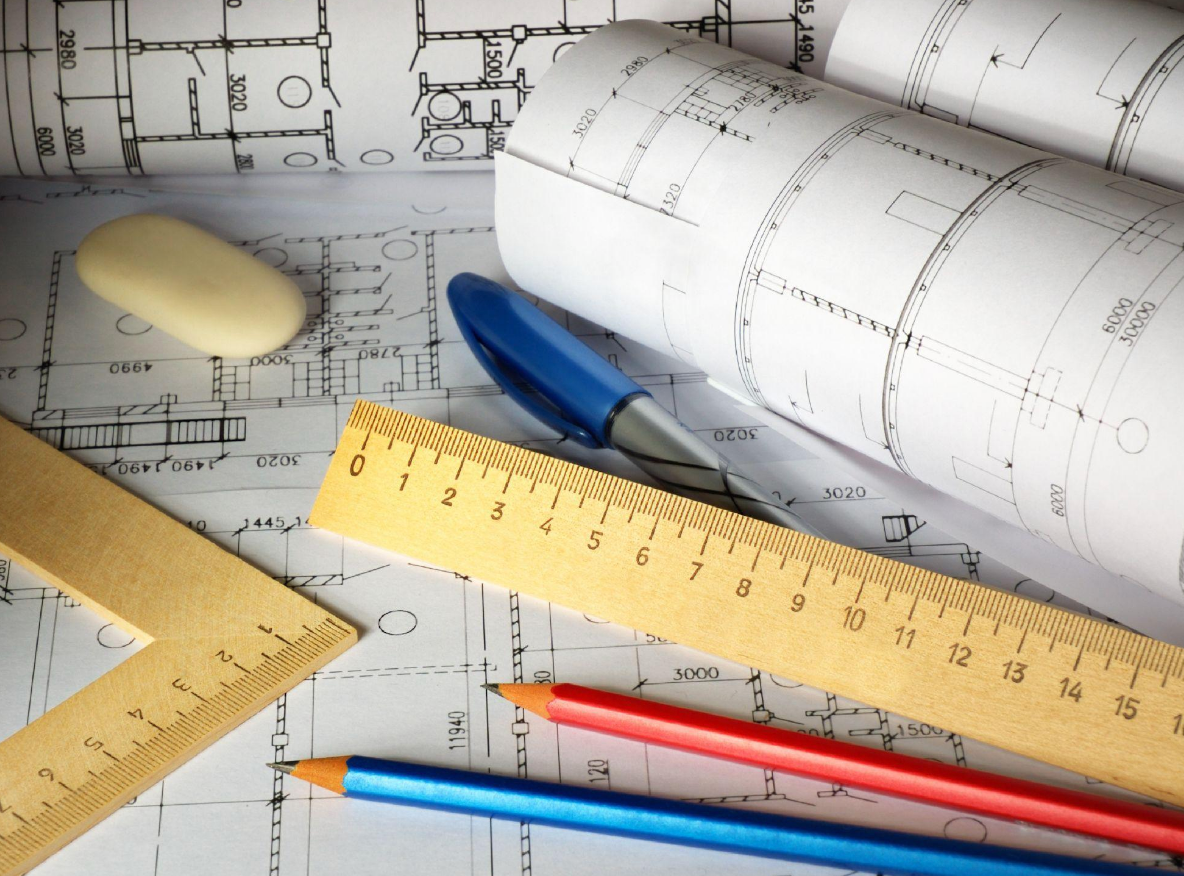
Here’s a stat that should shake you a little: 70% of homeowners don’t fully understand which renovation projects require permits — and a surprising number who do understand still gamble on skipping them. That’s according to HonestCasa’s 2026 renovation permits guide, and it tracks with what contractors hear on the ground every day.
For a wellness room addition, you are in “permits required” territory, full stop. There are no workarounds, no “it’s just cosmetic” arguments to make. The moment you’re adding square footage, touching plumbing or electrical, or modifying load-bearing elements, you need to be in front of your local building department with a complete application.
Here’s what the permit process typically looks like for a project of this scope:
- Architectural plans: You’ll need a licensed architect or designer to produce construction documents. This isn’t optional for an addition — inspectors won’t review a napkin sketch.
- Structural engineering: If the wellness room is on a second floor, or if your addition modifies any load-bearing walls, a structural engineer report is required.
- Permit application: Submit everything to your local building department and wait. Plan review alone can take anywhere from two to eight weeks depending on your municipality.
- Inspections during construction: Budget for multiple site visits — foundation, framing, rough electrical, rough plumbing, insulation, and a final inspection before you get a certificate of occupancy.
And if you’re thinking about skipping any of this? Unpermitted additions have a nasty habit of surfacing when you go to sell. In the worst cases, they get flagged for demolition or require expensive retroactive permitting to bring everything up to current code. Neither outcome is fun.
How Long Is This Actually Going to Take?
Honest answer: longer than you think. And the data backs that up.
According to HomeCostLab’s 2026 home addition cost and timeline guide, you should expect the permitting and design phase alone to consume anywhere from four to twelve weeks before a single shovel hits the ground — and in jurisdictions with heavy construction activity, that window can stretch even further.
That pre-construction runway is where most homeowners get frustrated, because nothing visible is happening. But this is actually the most important phase of the project. You’re locking in your design, getting engineering sign-off, and making sure every trade — plumber, electrician, HVAC contractor — is coordinated before demolition begins.
Once you’re into active construction, a standard addition runs one to three months. A wellness room with custom tile work, a steam system, infrared sauna installation, and specialty finishes can push toward the higher end of that range or beyond. Weather delays, material lead times, and inspection scheduling all add buffer time that your contractor should be building into any honest estimate.
Total realistic timeline from contract signing to move-in: five to seven months, minimum. If someone promises you a fully permitted wellness room addition in eight weeks, dig into their plan — or walk away.
Contractor Checklist: What to Ask Before You Sign Anything

Not every general contractor is equipped to build a high-end wellness room. This is a specialty build, and your vetting process should reflect that. Here’s what to go through with every contractor you’re seriously considering:
Licensing and Insurance
- Are they licensed as a general contractor in your state?
- Do they carry current general liability insurance and workers’ compensation?
- Can they pull the permits themselves, or will they ask you to do it? (A reputable GC handles their own permitting.)
Experience with Wellness or Spa Builds
- Have they completed steam room or sauna installations before? Ask for photos and references.
- Do they have established relationships with specialty subcontractors — steam generator installers, tile setters experienced with wet room waterproofing, HVAC techs who understand humidity load calculations?
Scope of Work Documentation
- Is the bid a lump sum or line-item breakdown? You want line items so you can compare bids apples-to-apples.
- Does the quote include permits, inspections, and architectural plan fees — or are those separate?
- What’s the payment schedule? Industry standard is milestone-based: never pay more than 10–15% upfront.
Timeline and Contingencies
- What’s the realistic timeline, broken into phases (design/permitting, demolition, rough work, finishes)?
- How do they handle scope changes or material cost increases mid-project?
- What’s their process when inspections require corrections?
Warranty and Post-Completion
- What do they warranty, and for how long?
- Who handles warranty service — the GC directly, or individual subs?
Get a minimum of three bids. Compare the line items, not just the totals — the lowest number often means something was quietly left out of scope.
Budgeting for the Full Picture
Room additions in 2026 run roughly $80 to $300 per square foot on average, but wellness rooms with specialized systems can push well above that upper bound. Here’s where the money actually goes in a wellness room build:
- Structural and foundation work: Varies wildly by addition type, but slab foundations typically run $5 to $8 per square foot; a full crawl space bumps to $8 to $15.
- Plumbing rough-in: Steam systems, floor drains, and specialty shower fixtures add significant cost over a standard bath.
- Electrical: Infrared saunas, steam generators, and radiant heat systems all require dedicated circuits. If your panel is already full or undersized, factor in a panel upgrade of $1,500 to $4,000.
- HVAC and ventilation: Humidity control in a steam environment is non-negotiable. A supplemental mini-split or dedicated dehumidification system adds $3,000 to $5,000 on average.
- Permits and design fees: Architectural plans alone can run $2,000 to $10,000. Structural engineering adds $1,500 to $5,000. Permits themselves typically range from $500 to $5,000 depending on your municipality and the project’s assessed value.
A 15 to 20% contingency buffer on top of your total estimate isn’t pessimistic — it’s experienced. Older homes especially tend to reveal surprises once walls open up.
In Summary
A wellness room addition is one of the most rewarding home investments you can make — but it’s also one where the behind-the-scenes work matters as much as the final result. Get your permits right, understand the real timeline before you commit, and vet your contractor like your sanity depends on it (because it kind of does).
The upfront investment of doing this properly — licensed professionals, legitimate permits, realistic scheduling — is what separates a wellness room you’ll love for decades from one that becomes a headache at resale. Start with the research, ask hard questions, and don’t let excitement rush you past the details that protect you.