How Brachial Plexus Damage Caused During Delivery Affects a Child’s Development in Ways Parents Often Miss
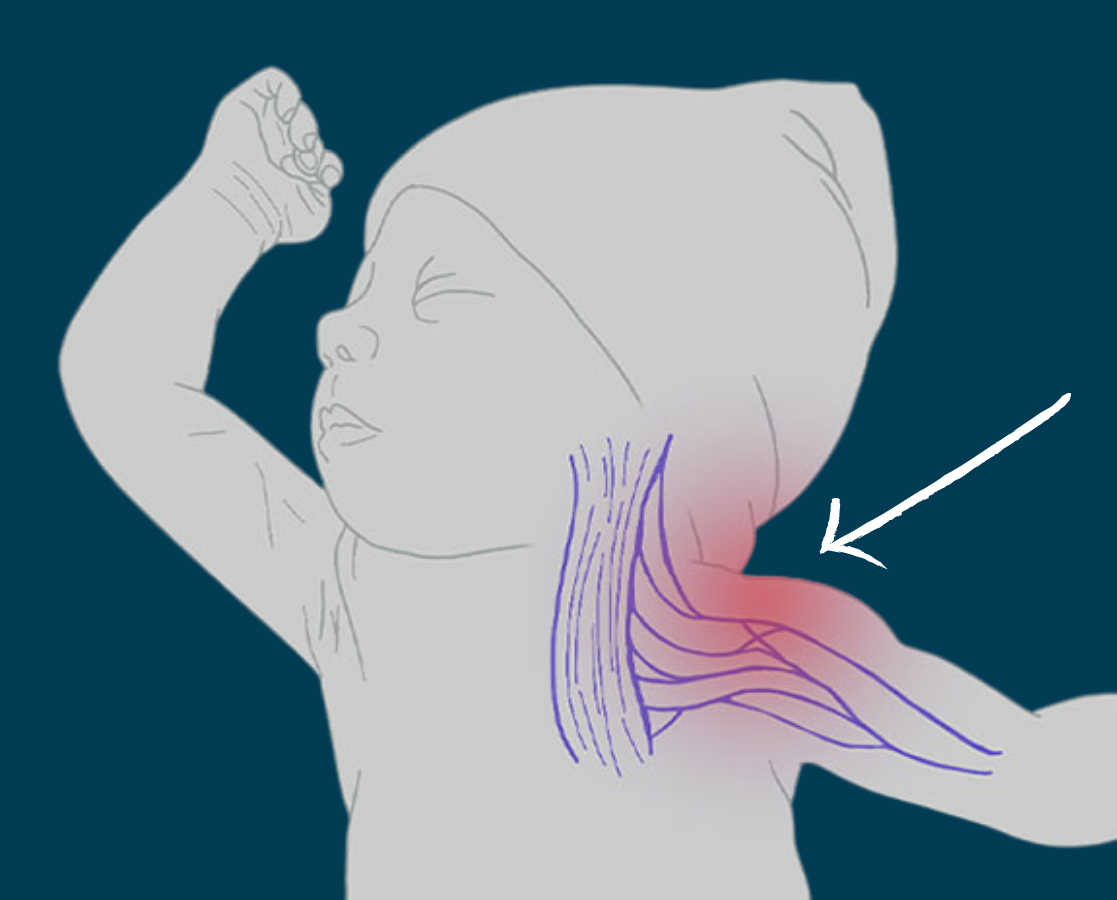
Brachial plexus injuries can happen during childbirth when the nerves in a baby’s shoulder and arm are stretched or damaged, often during difficult deliveries. At first, parents may notice only mild weakness or reduced movement in one arm, which may seem to improve quickly. This is where a birth injury attorney can sometimes help families understand whether the injury may have been caused by preventable medical mistakes during delivery. Over time, what looks like a minor issue can reveal deeper challenges that affect how a child moves, plays, and develops. Understanding these early signs and their possible long-term impact can help parents make more informed decisions about care and support.
What Brachial Plexus Injury Means for a Newborn
The brachial plexus is a group of nerves that controls movement and feeling in a baby’s shoulder, arm, and hand, so an injury here can directly affect how the arm functions. This type of injury often happens during a difficult delivery when there is extra pressure or stretching on the baby’s neck and shoulder area. For a newborn, it may show up as weakness, limited movement, or a noticeable difference in how one arm is used compared to the other.
Early Signs that Parents Usually Notice First
When a brachial plexus injury occurs during delivery, there are a few early signs that parents often notice, even if they are not immediately sure what they mean. These signs can vary in severity, but they usually become noticeable within the first days or weeks after birth.
Reduced Arm Movement
Parents may notice that the baby is not moving one arm as much as the other, or that it seems to keep it still most of the time. This can look like the arm is weaker or less responsive, especially during natural movements like stretching or reaching.
Favoring One Side
The baby may consistently turn or use only one side of the body when reacting to sounds, lights, or touch. Over time, parents might see that the unaffected arm is used more frequently, even during simple reflex actions.
Weak Grip or Lack of Reflex Response
Some babies may show a noticeably weaker grip when an object is placed in their hand or may not respond strongly to stimulation on the affected side. This can make it seem like the arm is less sensitive or not fully “awake” compared to the other side.
Arm Held in Unusual Position
In some cases, the affected arm may hang limply or be held in a slightly awkward position close to the body. Parents may first assume this is just normal newborn positioning, but it can be an early indicator of nerve involvement.
How It Can Affect Posture and Physical Growth
One consequence of a brachial plexus injury is a child becoming dependent on one arm more than the other, which, over time, may influence how their shoulders and upper body develop. Almost like a chain reaction, this unequal arm use can cause changes in posture; for example, one shoulder might look a bit higher or more tensed than the other. As the child gets older, these minor discrepancies in the body might stand out more during activities, playing time, or even just when the child is standing.
Emotional and Social Effects on the Child
When a child suffers a brachial plexus injury, it can change their mindset about their physical capabilities and their ability to compete with other kids during play or in daily life. The child might feel angry or even lose self-assurance when there is difficulty performing certain actions. Mainly in group situations, like at school or on the playground, a child can feel that way. Gradually, these encounters can have a lasting impact on a child’s comfort level with engaging in activities or attempting new physical challenges.
Why Some Effects Only Become Clear Later in Childhood
One of the reasons why the effects of brachial plexus injury are not noticeable in a baby is that a baby naturally adapts and uses less complicated movements. Because of this, when a baby starts to do new things like writing, sports, and coordinated play, differences between the two sides that were not clear before may become apparent. This way, the reason why some difficulties are only recognized in later childhood is that the level of physical demand is very high.
The Importance of Early Evaluation and Ongoing Monitoring
Early evaluation helps identify how serious a brachial plexus injury is and what kind of treatment or therapy may be needed from the start. Ongoing monitoring is important because a child’s development can change over time, and new challenges may appear as they grow. With regular checkups and early support, such as physical or occupational therapy, children often have a better chance of improving strength and function.
When Parents Should Consider Legal or Medical Review
Parents may want to consider a legal or medical review if they suspect the injury could have been caused by complications or mistakes during delivery. This can help clarify whether proper care was provided and whether anything could have been done differently to prevent the injury. Getting a professional opinion early can also help families understand their options for long-term care and support.
Looking Beyond the Obvious Signs
Brachial plexus injuries can have effects that go far beyond the first days after birth, influencing a child’s movement, coordination, and development in ways that are not always immediately obvious. With early awareness and consistent support, many children can improve their functioning and adapt in meaningful ways over time. In some cases, families may also seek guidance from a birth injury attorney to better understand what happened during delivery and explore their options for support and accountability.