Pedestrian Safety in Albuquerque, New Mexico: Understanding the Risks Behind Everyday Streets
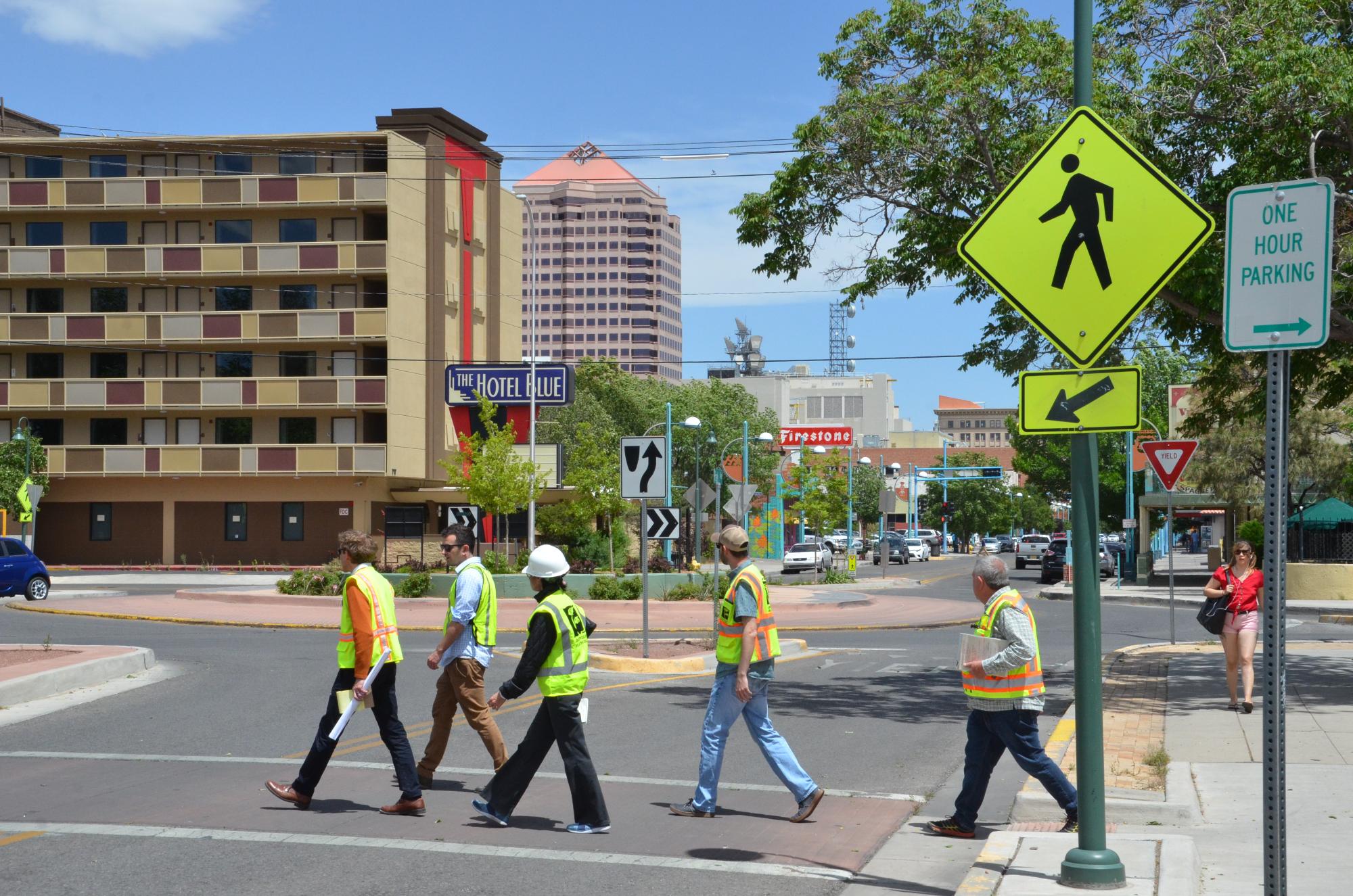
Pedestrian accidents in Albuquerque, New Mexico happen more often than many residents realize and can lead to life-changing injuries. The city’s growing traffic, wide roadways, and mixed urban design create conditions where people walking near vehicles face real risks every day.
Pedestrian Accidents in Albuquerque Are a Serious Public Safety Issue
Pedestrian accidents in Albuquerque are a major concern because they often result in severe or fatal injuries due to the lack of physical protection for people on foot. Unlike drivers, pedestrians have no barrier between themselves and moving vehicles, which makes even low-speed collisions dangerous.
In Albuquerque, busy intersections, school zones, and commercial corridors are common locations for these incidents. Roads designed primarily for fast-moving traffic can make it harder for drivers to notice people crossing, especially at night or in low-visibility conditions. This creates a constant safety challenge for both residents and visitors.
From a broader perspective, pedestrian activity is part of everyday life in cities, but safety depends heavily on driver awareness, infrastructure design, and enforcement of traffic laws. Recent pedestrian safety statistics also show that thousands of pedestrians lose their lives on U.S. roads each year, underscoring the importance of safer streets and responsible driving habits.
Most Pedestrian Accidents Happen Due to Preventable Driver Behavior
Most pedestrian accidents happen because of driver behavior that could have been avoided with more caution and attention. Common causes include distracted driving, speeding, failure to yield at crosswalks, and impaired driving.
Distracted driving is one of the leading factors. Drivers who use phones or adjust in-car systems often miss pedestrians who are already in the roadway. Speeding also plays a major role because higher speeds reduce reaction time and increase the severity of injuries when a collision occurs.
In some cases, poor road design contributes to risk. Long crossing distances, limited lighting, and unclear signage can make it harder for drivers to anticipate pedestrian movement. However, even in these conditions, drivers are still expected to exercise reasonable care.
Pedestrian Injuries Often Lead to Long-Term Medical and Financial Challenges
Pedestrian injuries often lead to long-term consequences that affect both health and financial stability. These injuries are typically more severe than those seen in other types of traffic accidents.
Common injuries include broken bones, head trauma, spinal cord damage, and internal injuries. Recovery can take months or even years, and some victims never fully regain their previous level of physical ability. In serious cases, individuals may require ongoing rehabilitation or assistive care.
The financial impact is also significant. Medical bills, lost income, and reduced ability to work can place a heavy burden on victims and their families. Even after physical recovery, emotional trauma and reduced quality of life are common challenges that many people continue to face.
Determining Responsibility Depends on How the Accident Occurred
Determining responsibility in a pedestrian accident depends on the specific circumstances of how the crash occurred and which party acted negligently. Liability is not always limited to just the driver of the vehicle.
In many cases, the driver is responsible due to actions such as failing to yield, driving distracted, or speeding through intersections. However, other parties may also share responsibility. This can include employers if the driver was working at the time, or government entities if dangerous road conditions or poor signage contributed to the accident.
Evidence such as witness statements, traffic camera footage, and police reports often plays a key role in determining fault. Each case is unique, and responsibility is evaluated based on the available facts rather than assumptions.
Immediate Steps After a Pedestrian Accident Can Affect the Outcome of a Case
Immediate steps after a pedestrian accident can significantly affect both medical recovery and legal outcomes. The first priority should always be seeking medical attention, even if injuries are not immediately visible.
Medical documentation is important because it creates an official record of injuries linked to the accident. After receiving care, it is also helpful to report the incident to law enforcement so that an official report is created. This report often becomes an important piece of evidence later.
If possible, collecting photos of the scene, contact information from witnesses, and details about the vehicle involved can help strengthen a future claim. Avoiding early discussions with insurance companies without proper guidance is also important, as initial settlement offers may not fully reflect long-term damages.
Legal Guidance Can Make a Major Difference in Pedestrian Accident Recovery
Legal guidance can make a major difference in pedestrian accident recovery because these cases often involve insurance companies, liability disputes, and complex documentation requirements.
A legal professional can help investigate the accident, gather evidence, and communicate with insurance providers on behalf of the injured person. This support helps ensure that claims are evaluated fairly and that victims are not pressured into accepting low settlements.
For example, having legal help after a pedestrian accident can be important when injuries are serious, fault is disputed, or multiple parties may be involved. Legal support also helps calculate damages that go beyond immediate medical costs, including future treatment needs and long-term loss of income.
Pedestrian Safety Can Be Improved Through Awareness and Better Urban Design
Pedestrian safety can be improved through a combination of public awareness, responsible driving, and thoughtful city planning. Education about road sharing plays a key role in reducing accidents, especially in busy urban areas.
Drivers can reduce risk by slowing down in pedestrian zones, avoiding distractions, and staying alert at intersections. Pedestrians can also improve safety by using crosswalks, following traffic signals, and remaining visible, especially at night.
Urban environments also influence safety outcomes. Well-lit streets, clearly marked crossings, and traffic-calming measures such as reduced speed limits can significantly lower accident rates. When cities prioritize pedestrian-friendly design, the likelihood of serious accidents decreases.
In visually dynamic urban environments like Albuquerque, where movement and daily activity intersect constantly, understanding how people and vehicles share space is essential for reducing preventable harm.
Conclusion: Pedestrian Accidents Require Awareness, Responsibility, and Proper Support
Pedestrian accidents in Albuquerque highlight the importance of careful driving, safer infrastructure, and informed action after a crash. These incidents are often preventable, yet they continue to cause serious harm due to a mix of human error and environmental factors.
Understanding the risks, knowing what steps to take after an accident, and seeking appropriate support can make a significant difference in recovery. While no article can eliminate the dangers entirely, greater awareness can help reduce future incidents and improve safety for everyone on the road.