The Shifting Landscape of Local Events and Exhibitions: Trends, Challenges, and Opportunities
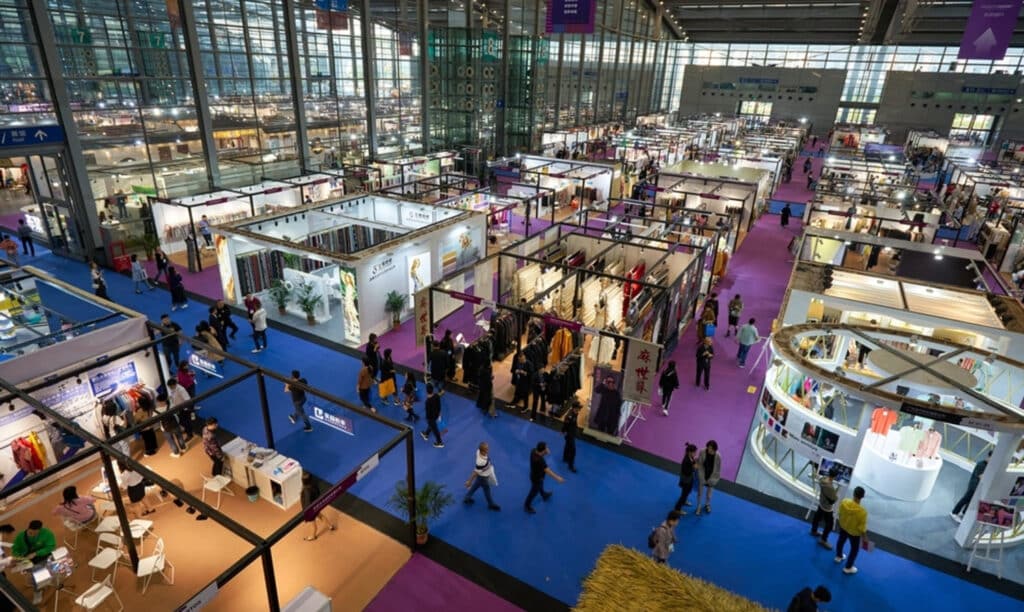
Table of Contents
- Evolving Event Formats
- Economic Challenges and Adaptations
- Technological Integration
- Community-Driven Initiatives
- Sustainability and Environmental Considerations
- Future Outlook
Local events and exhibitions serve as vital touchpoints for communities, providing platforms for artists, vendors, and residents to connect, celebrate culture, and experience local vibrancy firsthand. As families search for evolving ways to enjoy quality time, exploring activities in San Antonio for families has become a popular approach for experiencing the transformation of local event culture. Changing economic, digital, and environmental factors are reshaping how gatherings are planned and enjoyed. Curators, organizers, and attendees are finding new ways to engage that reflect modern values of experience, access, and sustainability. Through experimental formats and community focus, events are becoming more inclusive and impactful. Understanding these changes helps communities and individuals navigate the evolving landscape of exhibits, markets, and festivals. Families and communities can choose meaningful experiences, support local culture, and embrace sustainable efforts, reinforcing the value of these events locally.
Evolving Event Formats
The landscape of local events has shifted from large fairs to curated, destination-inspired experiences, catering to audiences seeking intimate, cultural venues away from crowded areas. Boutique events like art fairs in Aspen and Mallorca reflect the rising demand for experiential travel and meaningful art connections, boosting local tourism and economy, as noted by The New York Times. Pop-up events, food festivals, and immersive exhibitions fill gaps left by traditional gatherings, often experimenting with themes and combining music, art, and food to attract diverse attendees. These formats create memorable, shareable experiences that promote the event and keep venues relevant and engaging.
Economic Challenges and Adaptations
Financial pressures have caused event organizers, galleries, and museums to reconsider the frequency and scope of exhibitions. With a tighter economy, there’s a shift toward fewer, more meaningful experiences that allow deeper engagement and added value. Longer exhibitions give visitors more time to connect while lowering logistical costs. This “big slowdown” is both an economic necessity and a way to encourage more reflective engagement with art and culture. Rising costs are prompting exploration of alternative funding sources, such as community sponsorships, local business partnerships, crowdfunding, and grants, which help with budgets and foster stakeholder buy-in. Sponsors gain visibility and collaboration opportunities, promoting community growth. Smaller, recurring events such as monthly art walks or seasonal markets are also strategic adaptations to maintain audience engagement without high upfront costs.
Technological Integration
Rapid advancements in digital technology have transformed nearly every aspect of how local events are promoted and experienced. The integration of virtual tours, live-streaming, interactive displays, and online ticketing solutions has extended the reach of local events far beyond their physical boundaries. For example, families unable to attend in person can now participate virtually, ensuring greater accessibility and inclusion. These technological advances not only meet audiences where they are but also offer new revenue opportunities for organizers who can reach both local and global audiences simultaneously.
Social media has also revolutionized event marketing, making it much easier to create viral campaigns and build a community around shared interests. Hashtag campaigns, user-generated content, and real-time event updates help maintain excitement before, during, and after events, fostering a digital word-of-mouth effect. Moreover, data analytics allow organizers to better understand attendee preferences and optimize experiences based on real-time feedback. The ability to dynamically adjust event logistics or programming using live data marks a major technological leap in event management and guest satisfaction.
Community-Driven Initiatives
Grassroots efforts and community projects are gaining momentum, showing how local artists and residents can reshape cultural spaces. The revival of Artomatic 419 in Toledo, organized by volunteers and advocates, illustrates the power of collective action in revitalizing downtowns and cultural districts. These initiatives boost local pride and promote community participation, ensuring events reflect residents’ needs and values. Community input through surveys, forums, and participatory budgeting becomes vital, giving residents a voice in programming. Schools, libraries, and recreational centers often partner to broaden access, helping neighborhoods develop stronger identities, traditions, and long-term cultural bonds. This collaborative approach fosters ownership and connection beyond the event.
Sustainability and Environmental Considerations
As environmental consciousness grows, event organizers are adopting sustainable practices at every stage of planning and execution. This includes prioritizing waste reduction, using eco-friendly materials, implementing recycling and composting programs, and encouraging public or alternative transportation for attendees. These efforts not only minimize environmental impact but also enhance community engagement by promoting responsible practices.
Going even further, some festivals have introduced zero-waste policies and closed-loop supply chains, collaborating with local farmers and artisans to minimize transportation emissions and promote regional economies. Water refill stations, digital ticketing to cut down on paper waste, and eco-conscious food vendor requirements are also emerging trends. These measures demonstrate a broader cultural shift, where sustainability is central to the event’s mission rather than just an added feature. Attendees, particularly younger generations, increasingly view green practices as a core expectation and a significant factor in choosing which events to support.
Future Outlook
Looking ahead, the evolution of local events and exhibitions depends on how well organizers and communities adapt to change. Success hinges on innovating with new formats, embracing technology, responding to economic pressures, and integrating sustainability into event planning. Events that foster community connections and positive impact will stay vibrant and meaningful. As physical and digital experiences blur, community events will become more hybrid, personalized, and collaborative. Learning from feedback, experimenting, and committing to environmental and social goals will help local events thrive. Investing in these strategies now can sustain cultural expression and economic growth.