Try Before You Commit: The Psychology of Free-to-Try Online Entertainment
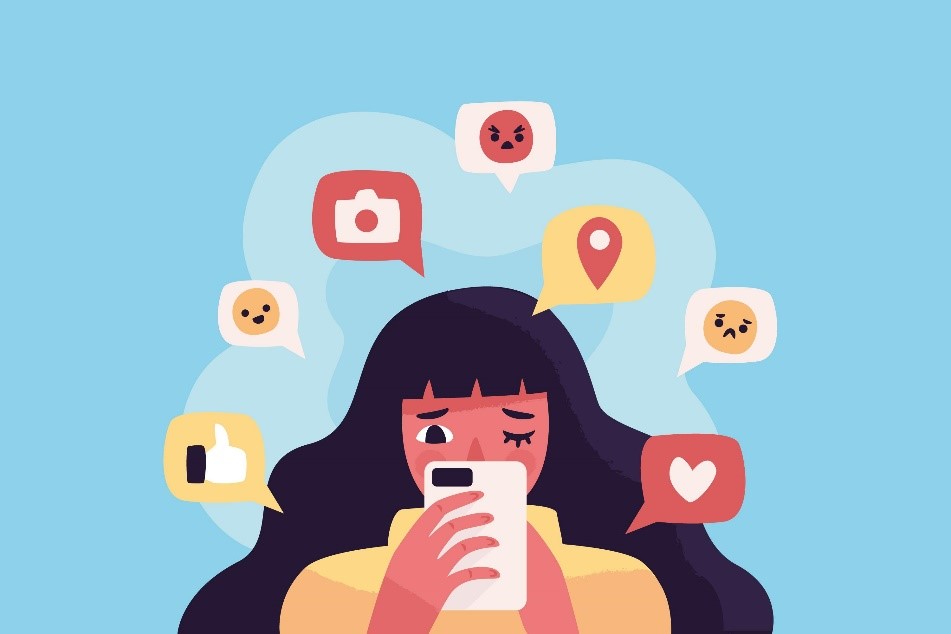
Somewhere between the fifteenth free app you’ve downloaded and the streaming trial you forgot to cancel, something interesting has happened to how we discover entertainment online. The default mode of the modern internet isn’t purchase. It’s sample. Try it, play with it, decide later. And that shift has changed not just the economics of digital platforms but the way we think about value, risk and novelty.
The Free Trial Changed Everything
It seems obvious in retrospect. Of course people are more likely to adopt a platform they’ve already used than one they’ve only read about. But the free trial model took longer to become universal than you might expect. In the early streaming wars, services launched with subscription-only models. Then Netflix’s free month changed the psychology of the whole category overnight.
What followed was a wave of imitation that reshaped digital entertainment permanently. Gaming platforms offered free weekends. Apps launched freemium tiers. Subscription boxes started with introductory discounts so steep they barely covered postage. The logic was always the same: get people over the threshold of commitment by removing the financial barrier to entry. Once they’re in, the experience does the selling.
Viral Platforms and the Discovery Loop
There’s a specific pattern to how entertainment platforms go viral now, and it’s worth paying attention to because it tells you something about how digital culture actually spreads. It rarely starts with advertising. It starts with someone in a group chat saying “have you tried this?” followed by a link and a short explanation of what makes it interesting.
The platforms that travel fastest are almost always the ones that offer something for nothing at the point of first contact. A game that lets you play several levels before asking for payment. A creative tool with a free tier that’s genuinely capable. A platform where the no-cost entry point is real rather than deliberately crippled. When the first experience is good and it costs nothing, word of mouth is almost automatic.
This is why the no-deposit trend in online casino gaming has gathered real momentum. Players are wired by years of internet culture to try things before committing, and casino platforms that offer genuine play money or free spin credits tap directly into that conditioning. Curious players who want to understand what these platforms actually offer often start by exploring non GamStop casino no deposit bonuses to compare what’s available without any financial skin in the game. It mirrors exactly the pattern of every other digital entertainment sector, the low-friction entry point that allows the product to demonstrate its own value.
The Novelty Gradient
One of the more interesting quirks of online behaviour is how strongly we respond to newness over familiarity, even when the familiar option is objectively better. Studies on digital engagement consistently find that users will explore a new platform with demonstrably worse features in preference to an established one, purely because novelty generates its own reward signal.
This creates a continuous churn in the digital entertainment landscape. New platforms launch, pull attention briefly, and then either retain it by delivering genuine value or lose it to the next novel thing. The ones that survive the novelty gradient tend to have done something smart with their onboarding: they made the free experience good enough that the paid or committed version feels like a natural extension rather than a separate product.
The Psychology of Low-Risk Exploration
There’s a reason “nothing to lose” is such effective framing. Behavioural economics has spent decades documenting the asymmetry between how we weigh potential losses and potential gains. Loss aversion is the technical term, and it explains why the same product sold as “free trial, cancel anytime” dramatically outperforms the identical product sold with a 90% discount. The absence of risk activates a different part of the decision-making brain than the presence of value.
Online entertainment platforms have become expert at engineering that psychological state. The onboarding flow is designed to get you engaged with the product before you’ve consciously decided to adopt it. By the time you’re considering whether to pay or commit, you’ve already had the experience. You’re evaluating continuing something you enjoy rather than starting something unknown. That’s a fundamentally different decision.
What Actually Keeps People Around
Here’s the part that doesn’t always make it into the marketing conversation. The free-to-try model drives acquisition brilliantly. It doesn’t, on its own, drive retention. What keeps people using a platform past the initial exploration phase is almost always the quality of the core experience and, increasingly, the community around it.
The best online entertainment platforms know this. The no-cost entry point is the door. The community, the features, the depth of experience on the other side of the door are what determine whether anyone comes back tomorrow. Viral moments get you the first visit. Only the product keeps you coming back. And in an internet full of low-friction entry points, that distinction matters more than ever.