What Makes Motorcycle Crashes Feel So Chaotic After Impact
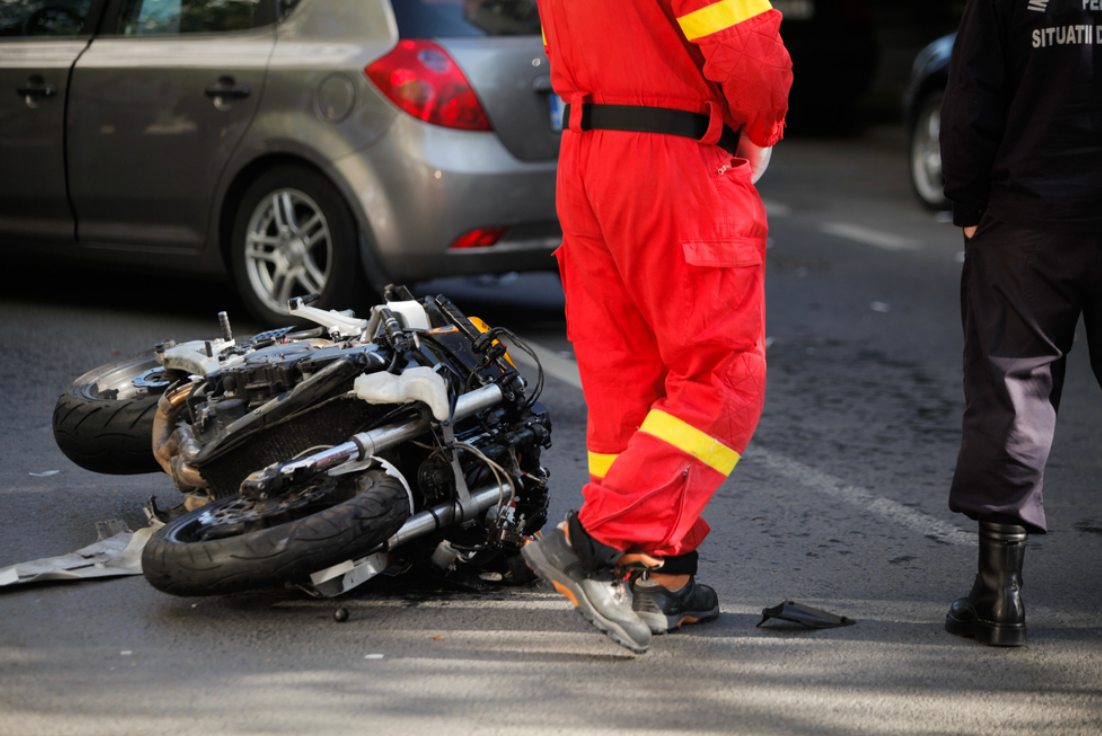
Motorcycle crashes do not unfold quietly. One second of movement suddenly turns into noise, confusion, scattered debris, flashing lights, and bodies trying to understand what just happened.
Riders experience every part of the impact directly because there is no metal frame surrounding them during the collision. That immediate exposure makes motorcycle accidents feel overwhelming in a completely different way than regular vehicle crashes. Traffic keeps moving, people begin reacting loudly, and adrenaline changes how the brain processes the situation. Everything feels fast and disconnected at the same time.
That overwhelming confusion is also one reason conversations around traumatic motorcycle injury lawsuits often begin after severe crashes leave riders struggling to process those first chaotic minutes afterward.
Riders Feel the Impact Directly
Drivers inside cars have airbags, seat belts, doors, and protective frames around them during collisions. Motorcycle riders do not have that same protection once an impact happens. The rider’s body usually absorbs force directly, which immediately increases physical shock and confusion.
A motorcycle crash may involve contact with pavement, nearby vehicles, guardrails, or road debris within only a few seconds. That sudden exposure creates intense sensory overload because the rider experiences movement, sound, and physical force all at once.
Motorcycles also react differently during collisions compared to larger vehicles. A small impact that might cause only vehicle damage during a car accident can throw a rider completely off balance immediately. The body often experiences several movements rapidly before the crash fully stops.
That direct physical experience is one major reason motorcycle crashes feel so chaotic compared to many other traffic accidents.
The Crash Scene Changes Extremely Fast
Motorcycle accident scenes rarely stay calm after impact. Traffic continues moving around the crash while drivers nearby react suddenly to what happened. Some vehicles brake hard, others swerve away, and nearby people often rush toward the rider immediately.
Noise also becomes overwhelming very quickly. Tires screech, engines continue running, horns sound nearby, and people begin speaking all at once. Those sounds combine with flashing headlights and movement across the roadway, creating a stressful environment within seconds.
Riders commonly notice things such as:
Things Riders Commonly Notice After a Crash
- screeching tires
- scattered belongings
- loud traffic sounds
- sudden crowd attention
All of this activity happens while the rider is still trying to understand the collision itself. That combination of movement and confusion creates a powerful sense of disorder immediately after impact.
Adrenaline Changes How the Brain Processes Everything
Adrenaline affects the body strongly during motorcycle crashes. The brain focuses on immediate survival, which changes how people experience time, sound, and memory after impact.
Some riders later describe events feeling unusually slow, while others remember only fragmented pieces of the crash itself. A person may clearly remember one sound or image but struggle to recall the exact sequence of events afterward.
This mental confusion happens because adrenaline narrows focus during stressful situations. The brain attempts to process danger quickly, but too much information arrives at once during motorcycle accidents.
Fast-moving traffic makes this even harder because riders must immediately react to surrounding vehicles, noise, and possible injuries at the same time. That mental overload often leaves people feeling disconnected during the first minutes after the collision.
Those early moments may later become important during discussions involving traumatic motorcycle injury lawsuits because memory and perception can feel heavily distorted immediately after serious impacts.
Injuries Do Not Always Feel Immediate
Some motorcycle injuries become obvious instantly, but others appear more gradually after adrenaline begins fading. Riders sometimes stand, speak, or move around shortly after impact before noticing serious pain later.
The body reacts differently during stressful situations, and adrenaline can temporarily reduce awareness of injuries. A rider may initially focus only on surrounding confusion while physical pain slowly becomes more noticeable afterward.
Motorcycle accidents also expose the body directly to pavement and nearby objects, which increases the chance of injuries involving the head, shoulders, back, legs, and arms. Even lower-speed crashes may leave riders physically shaken because there is very little separating them from impact itself.
That changing physical awareness adds another layer of confusion because riders may feel physically different only minutes after believing they were mostly unharmed.
Final Thought!
Motorcycle crashes happen quickly, but the brain often struggles to organize the event afterward. Riders may have difficulty understanding vehicle positions, traffic movement, or the exact timing of impact once the crash ends.
Busy roads make this even more difficult because multiple vehicles, traffic signals, and sudden reactions all compete for attention during the collision. The mind tries to process too many details simultaneously, which creates emotional and mental disorientation afterward.
Many riders remember the chaos more clearly than the actual collision itself. Sounds, movement, flashing lights, and surrounding reactions often stay sharper in memory than the exact cause of the accident.
That overwhelming environment explains why motorcycle crashes feel so emotionally intense after impact. Riders experience every part of the collision directly, and the brain must process physical shock, surrounding danger, and mental confusion all at the same time on an active roadway.