Designer-Approved Tips on Designing Stylish Yet Functional Mudrooms and Entries
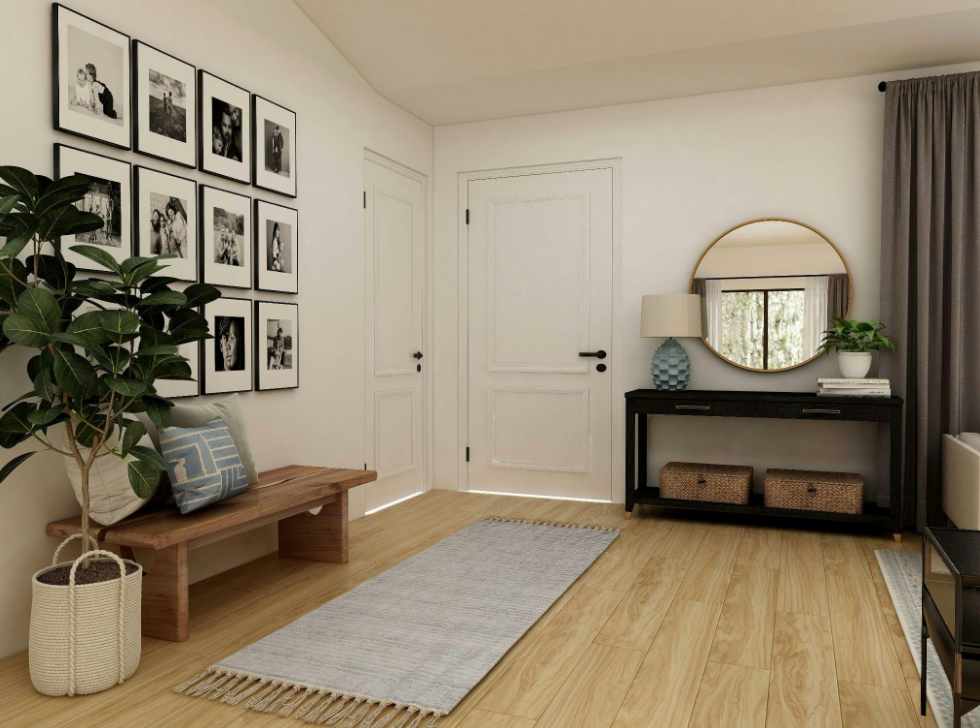
In most homes, the mudroom or entryway is the unsung hero. However, the designers increasingly see this space as an opportunity to make a strong first impression while delivering serious functionality. The key lies in balancing beauty with functionality and smart use of space, and the best interiors prove you don’t have to sacrifice one for the other.
Start With Smart Zoning
A well-designed mudroom begins with a clear vision. Designers recommend dividing the space into zones: one for shoes, one for outerwear, and one for smaller everyday essentials like keys or mail. Built-in cabinetry is often the go-to solution, not only because it maximizes vertical space but also because it creates a seamless, tailored look.
Materials matter here. Durable MDF with a high-quality lacquer finish offers resilience against scuffs, while natural wood veneers bring warmth. Oak, in particular, remains a favorite for its hardness and ability to age gracefully, developing a subtle patina over time.
Choose Flooring That Works Overtime
Mudrooms endure some of the toughest wear in the house, so flooring needs to be both durable and easy to clean. Porcelain tile continues to dominate for good reason: it’s non-porous, resistant to stains, and can convincingly mimic natural stone without the maintenance.
For a more artistic approach, consider a mosaic floor. Beyond its visual appeal, mosaic tiling has practical roots dating back to ancient civilizations, where small stone or glass pieces were used precisely because they could withstand heavy foot traffic and moisture. Today’s versions often incorporate porcelain or glass tesserae, combining tradition with modern durability.
If you prefer something softer underfoot, layering a rug can introduce texture and pattern without compromising practicality. Look for indoor-outdoor materials like polypropylene, which resist moisture and are easy to clean, perfect for high-traffic zones.
Elevate Storage With Custom Details
Storage is the backbone of any functional entry, but that doesn’t mean it should be only utilitarian. Designers are increasingly incorporating furniture-like details to elevate the look: think fluted wood panels, brass hardware, or even reeded glass cabinet fronts.
Ventilation is another often-overlooked detail. Closed cabinets can trap moisture, especially when storing damp coats or shoes. Incorporating slatted fronts or breathable materials helps prevent odors and prolongs the life of your belongings.
Don’t Underestimate the Power of a Bench
A built-in or freestanding bench is one of the design anchors you may use for your entry space. Upholstered options add comfort, but performance fabrics are essential here. Look for textiles treated with stain-resistant finishes or inherently durable fibers like solution-dyed acrylic, which maintain color and integrity even with heavy use.
Under-bench storage is prime real estate. Pull-out drawers or baskets keep clutter contained while maintaining easy access.
Layer Lighting Thoughtfully
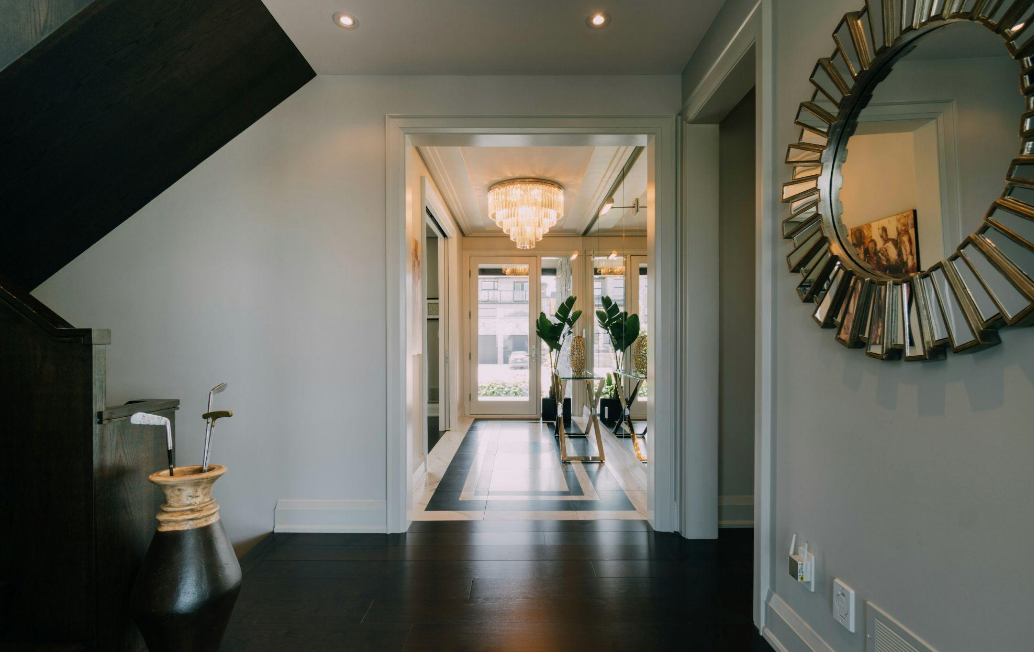
Mudrooms often lack natural light, making a layered lighting approach essential. Start with overhead illumination, such as flush mounts or pendant lights that provide even coverage. Then, add task lighting where needed, such as under-cabinet LEDs to brighten darker corners. For a more elevated feel, consider decorative fixtures. A sculptural pendant or a pair of sconces can transform the space in a matter of minutes.
Incorporate Personality Through Finishes
Because mudrooms are typically smaller, they’re an ideal place to experiment with bolder design choices. Patterned wallpaper, saturated paint colors, or contrasting cabinetry can inject personality without overwhelming the home.
High-performance paints are especially important here. Opt for washable, scrubbable finishes, often labeled as satin or semi-gloss, that can withstand frequent cleaning without losing their luster.
Think Long-Term Durability
Ultimately, the best mudroom designs anticipate real life. Materials should be chosen not just for how they look on day one, but for how they’ll perform over years of use. Stone composites, powder-coated metals, and engineered woods all offer enhanced durability while maintaining a refined appearance.
A well-designed entryway sets the tone for the entire home. With thoughtful planning and designer-approved materials, it can be both a hardworking hub and a stylish introduction, proving that even the most practical spaces deserve a moment in the spotlight.