Struggling to Find Stylish Yet Comfortable Shoes? Here’s a Solution
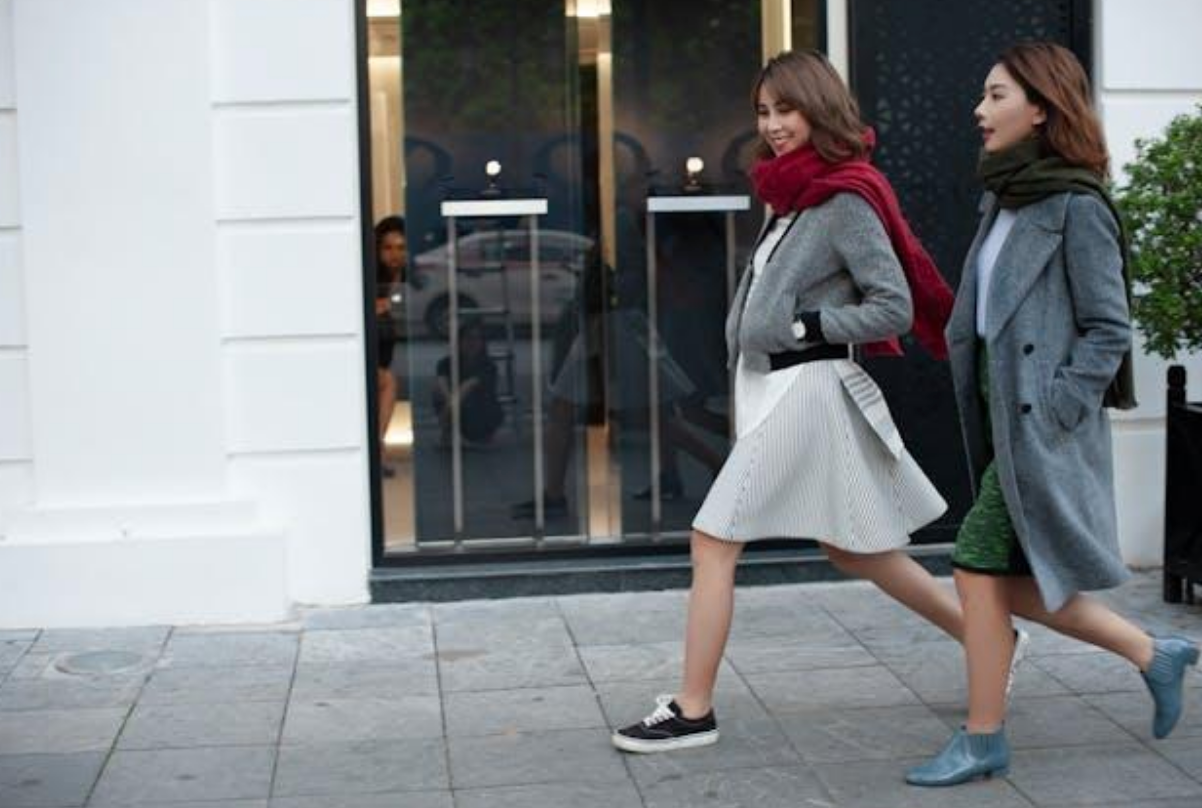
You know the drill. You spot a gorgeous pair of shoes online, try them on, and they feel like walking on cardboard by lunchtime. Or you find the comfiest pair you’ve ever owned, but they look like something your grandma would wear to water the garden.
The gap between style and comfort has frustrated shoe shoppers for decades. But here’s the thing. That gap is shrinking fast. A growing number of brands now build footwear around how your feet actually work, without making you sacrifice how you look. Finding them just takes knowing what to look for.
Why Most Shoes Force You to Choose
Traditional shoe design starts with appearance. A designer sketches something that looks sharp on a shelf. Then the engineering team figures out how to squeeze a human foot inside it. Comfort becomes an afterthought.
Narrow toe boxes pinch your toes together. Elevated heels push your weight forward. Stiff soles prevent natural bending. Your foot adapts to the shoe instead of the other way around.
That’s backwards. And your body pays for it over time. Bunions, plantar fasciitis, lower back tension. Many of these common complaints trace straight back to poorly designed footwear that prioritized aesthetics over anatomy.
What Comfortable Shoes Actually Need
Forget everything the marketing tells you about “cushioning technology” and “advanced support systems.” Truly comfortable shoes come down to a few straightforward principles.
First, a wide toe box. Your toes need room to spread. When they splay naturally, your balance improves and pressure distributes evenly across your foot. Second, a flat sole. Zero heel elevation keeps your spine aligned and reduces strain on your knees and hips. Third, flexibility. Your foot bends at over 30 points during each step. A rigid sole blocks that motion and forces other joints to compensate.
Does this mean comfortable shoes have to look like medical devices? Not even close. That’s the outdated assumption holding most shoppers back.
The Style Problem Is Actually a Design Problem
Here’s what changed in the last five years. Designers finally started working with podiatrists and biomechanics experts from day one. The result? Shoes that respect your foot’s anatomy while still looking like something you’d actually want to wear.
Clean lines, quality materials, and thoughtful color palettes don’t require stiff construction. Soft leather molds to your foot shape. Flexible rubber soles can be thin and sleek. Minimal strap designs keep things elegant without adding bulk or restriction.
The brands getting this right tend to share a philosophy. They treat the foot as the starting point, not the afterthought. Everything else, the silhouette, the material choice, the color range, builds outward from that foundation.
How to Spot a Shoe That Delivers Both
Shopping for this sweet spot gets easier once you know the red flags and green lights. Walk into any store or browse any website with these checks in mind.
Test the sole. Can you twist it gently? Can you bend it where your toes would flex? If it feels like bending a cutting board, move on. Check the heel drop. Place the shoe on a flat surface. If the heel sits noticeably higher than the toe area, that’s unnecessary elevation working against your posture.
Look inside the toe box. Your toes should never overlap or press against each other when you’re standing. And pay attention to weight. Heavier shoes drain your energy faster than you’d think. A shoe that disappears on your foot is doing its job right.
Finding Brands That Get It Right
The market for foot-friendly footwear has exploded recently. That’s great news, but it also means sorting through a lot of noise. Some brands slap “comfort” on the label while changing nothing about their construction.
Look for companies that specifically mention zero-drop design, anatomical toe boxes, and flexible soles in their product descriptions. Those aren’t buzzwords. They’re measurable features you can verify yourself.
Collections like the Rutsu Earth Collection show what happens when natural foot design meets modern aesthetics. The key is finding brands that don’t treat comfort and style as competing priorities. They should feel like two sides of the same coin.
Read customer reviews with a critical eye. Look for comments about all-day wear, not just first impressions. A shoe that feels amazing for ten minutes in a store means nothing if it wrecks your feet by dinner.
Your Wardrobe Doesn’t Have to Suffer
One worry people have about switching to foot-friendly shoes is losing outfit versatility. Fair concern. But today’s options cover more ground than you’d expect.
Earth tones and neutral colors pair with almost anything in your closet. Minimalist silhouettes blend with jeans, chinos, casual dresses, and summer shorts. You don’t need a separate “comfort shoe” category in your wardrobe anymore. The right pair pulls double duty without anyone guessing you chose function over fashion.
Honestly, most people who make the switch say they get more compliments, not fewer. Clean design stands out precisely because it isn’t trying too hard.
Walk Better Starting Today
The choice between stylish and comfortable shoes is a false one. Smart design has caught up, and your feet don’t have to suffer for the sake of looking good. Start by testing your current shoes against the checklist above. Then explore brands building footwear around your anatomy. Your feet, your knees, and your back will all notice the difference.
Frequently Asked Questions
Can comfortable shoes really look as good as traditional ones?
Yes. Modern foot-friendly brands work with professional designers to create sleek, minimal aesthetics. The difference is invisible to anyone looking at your feet. You’ll know because your body feels better at the end of the day.
How long does it take to adjust to flat-soled shoes?
Most people need two to four weeks of gradual wear. Start with a couple hours daily and increase from there. Your calves and arches may feel sore initially as dormant muscles start working again.
Are zero-drop shoes good for people who stand all day?
They can be excellent for extended standing. Flat soles distribute your weight more evenly and reduce the forward lean that elevated heels create. Pair them with movement breaks throughout the day for the best results.
Do I need to spend a lot for shoes that are both stylish and comfortable?
Not necessarily. Price doesn’t always predict quality in this category. Focus on the construction details, sole flexibility, toe box width, and material quality, rather than the price tag alone. Mid-range options from dedicated barefoot brands often outperform expensive mainstream alternatives.
What’s the easiest first step toward better footwear?
Try a pair of minimalist sandals or casual flats with a zero-drop sole and wide toe box. Low-commitment styles like these let you experience the difference without overhauling your entire shoe collection at once.