3 Simple Ways to Keep Your Home Clear of Spring Pollen
Along with blooming plants and rising temperatures, spring also brings a surge of pollen that can quickly find its way indoors. Many homeowners rely on a reliable residential air conditioning setup and replacement to help maintain cleaner air while managing seasonal temperature changes. As pollen settles on surfaces and circulates throughout the home, it can cause discomfort and degrade indoor air quality. A few simple strategies can help minimize buildup and keep your living space feeling fresh.
Keep Windows and Entry Points Under Control
Two of the easiest ways pollen might enter a home are through open windows and frequently used doors. Although fresh air might be pleasant, it often contains allergens that quickly settle on furniture, carpets, and textiles. The quantity of pollen that enters your home during peak pollen times, especially in the morning and early afternoon, can be significantly reduced by keeping windows closed. Adopting this small habit can greatly enhance indoor air quality.
Doors may also be a factor, especially in homes with heavy traffic. Pollen can enter through clothing, shoes, or even pets every time a door opens. The amount of pollen that travels inside can be reduced by using entry mats and promoting basic habits like cleaning feet or taking off shoes. These procedures are most effective when carried out regularly, particularly on days with high pollen levels.
Boost Filtration and Air Circulation Indoors
You can significantly reduce the amount of pollen in your home by managing the ventilation. Allergens can stay and lodge in areas with poor circulation, making them feel stuffy and uncomfortable. Accumulation is gradually reduced by a well-maintained air system that circulates air while eliminating pollutants. Because they gather pollen before it spreads throughout the house, clean filters are particularly crucial.
Regularly examining and replacing the air filters will keep your system running properly. Filters become clogged and lose their ability to capture airborne particles, potentially allowing them to circulate. Maintaining proper ventilation and filtering may result in a more comfortable indoor environment. Finally, this promotes better overall air quality during allergy season.
Keep Up a Regular Cleaning Schedule
Even with precautions, some pollen will still enter homes. Therefore, maintaining a comfortable workplace requires routine cleaning. Pollen can be eliminated before it builds up by dusting surfaces, vacuuming floors, and cleaning frequently used places. Because allergens can accumulate if you wait too long between cleanings, consistency is essential.
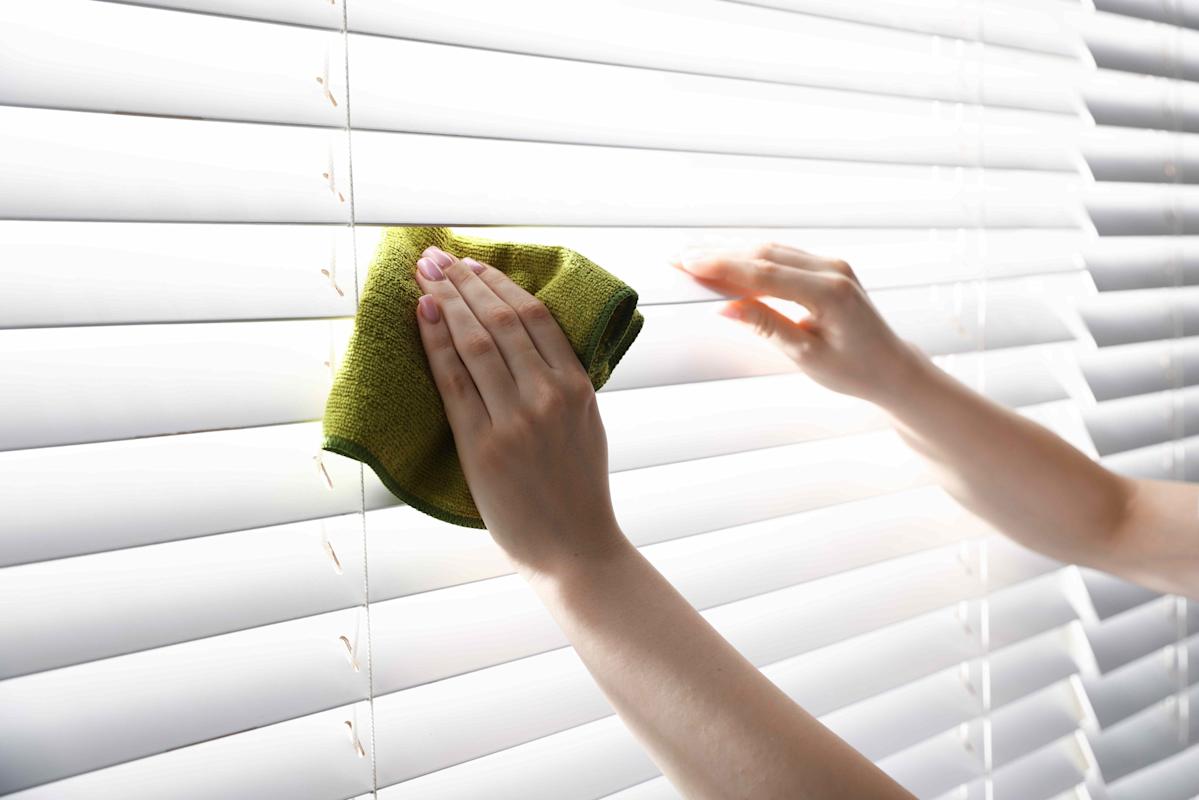
Using the right cleaning tools can make a big difference. Vacuums with high-quality filtration help trap tiny particles instead of sending them back into the air. Damp cloths can also work better than dry dusters because they pick up pollen rather than spread it around. Small changes like these can improve both your cleaning routine and your indoor air quality.
Creating a More Pollen-Resistant Home Environment
Combining several tactics into a coherent strategy is typically the key to long-term comfort throughout allergy season. The amount of pollen that remains indoors can be decreased by making little adjustments to daily routines, cleaning, and airflow. These efforts eventually result in a discernible change in the house’s atmosphere, particularly for allergy sufferers. Throughout the season, improved breathing and general comfort are supported by a cleaner atmosphere.
It also helps to pay attention to timing and stay consistent with your routine. Pollen levels can vary throughout the day, so making small adjustments can reduce exposure during peak times. Taking action early can make a noticeable difference, and working with an AC installation service may also help support better indoor air quality. These steps can lead to a healthier and more comfortable home environment.
Final Thoughts
Keeping spring pollen out of your home does not require complex solutions, but it does demand consistency. Indoor allergens can be significantly reduced by limiting entry points, improving air circulation, and maintaining a regular cleaning routine. These simple yet effective steps can make your home more comfortable throughout allergy season. Investing in a reliable residential air conditioning setup and replacement improves filtration and airflow, making pollen control much easier.