What Are the Risks of Crash Dieting and How Can You Lose Weight Safely?
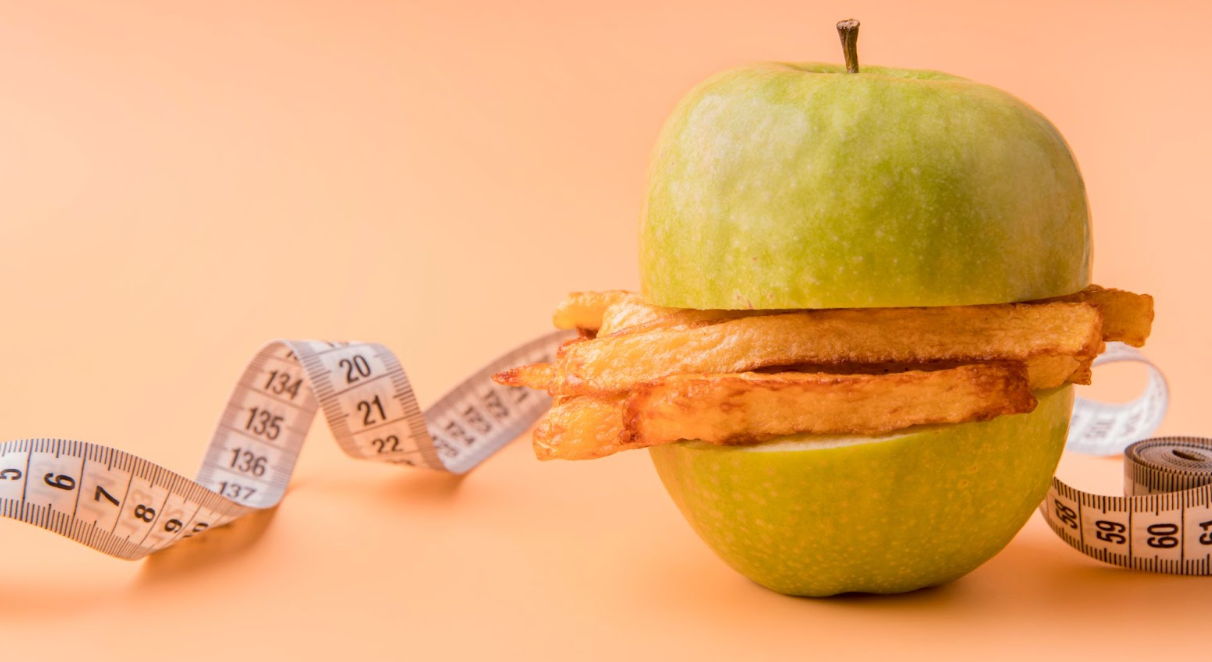
Many people want to lose weight quickly, especially before an important event or after noticing sudden weight gain. This often leads them to try extreme dieting methods known as crash diets. While these diets may promise rapid results, they often come with serious health risks and are rarely sustainable. Instead of relying on extreme measures, following a balanced weight loss program can help you lose weight safely and maintain long-term health.
In this guide, we will explore what crash dieting is, the risks associated with it, and how you can adopt a healthier and more effective approach to weight loss.
What Is Crash Dieting?
Crash dieting refers to an extreme reduction in calorie intake in a short period of time to achieve rapid weight loss. These diets usually restrict entire food groups, drastically limit calories, or rely on liquid diets and meal replacements.
Most crash diets promise fast results, such as losing 10-15 pounds in a week. While you may initially see a drop on the scale, much of that weight is often water weight and muscle loss rather than fat.
Some common types of crash diets include:
- Very low-calorie diets (less than 800 calories per day)
- Juice cleanses and detox diets
- Single-food diets (like cabbage soup or fruit-only diets)
- Liquid meal replacement diets
- Fasting-based extreme diet plans
Although these approaches may seem appealing, they can negatively affect your metabolism, nutrient intake, and overall health.
Why Do People Try Crash Diets?
Crash diets are popular because they promise quick results. Many people turn to them when they:
- Want fast weight loss before a special event
- Feel frustrated with slow progress
- Follow social media trends or celebrity diets
- Believe extreme calorie restriction is the fastest way to lose fat
However, quick weight loss methods rarely lead to lasting results. Without a structured weight loss program, the body often regains the lost weight quickly.
Major Risks of Crash Dieting
Crash dieting can have several negative effects on both your physical and mental health. Here are some of the most common risks.
1. Nutritional Deficiencies
When you drastically reduce calories or eliminate certain foods, your body may not receive essential nutrients such as:
- Vitamins
- Minerals
- Protein
- Healthy fats
Over time, this can lead to problems such as fatigue, weakened immunity, hair loss, and poor bone health.
A balanced weight loss program ensures that your body receives the nutrients it needs while still helping you lose weight.
2. Muscle Loss Instead of Fat Loss
One of the biggest problems with crash dieting is that the body often burns muscle instead of fat.
Muscle is a metabolically active tissue, meaning it helps burn calories even when you are resting. Losing muscle slows down your metabolism, making it harder to lose weight in the future.
A healthy weight loss program includes adequate protein intake and physical activity to preserve muscle mass.
3. Slower Metabolism
When calorie intake drops drastically, your body enters “survival mode.” It slows down your metabolism to conserve energy.
This means:
- Your body burns fewer calories
- Weight loss slows down
- Regaining weight becomes easier
This metabolic slowdown is one of the reasons many people regain weight after crash dieting.
4. Extreme Hunger and Cravings
Crash diets often lead to intense hunger and cravings because the body is not getting enough calories or nutrients.
As a result, many people experience:
- Overeating or binge eating
- Loss of control around food
- Constant food cravings
A sustainable weight loss program focuses on balanced meals that keep you full and satisfied.
5. Hormonal Imbalances
Extreme calorie restriction can disrupt important hormones that regulate hunger and metabolism, including:
- Leptin (fullness hormone)
- Ghrelin (hunger hormone)
- Thyroid hormones
Hormonal imbalances can make weight management more difficult and affect overall health.
6. Mental and Emotional Effects
Crash dieting can also negatively affect mental health. Many people experience:
- Mood swings
- Irritability
- Anxiety around food
- Obsessive thoughts about eating
A healthier weight loss program focuses on building a positive relationship with food rather than creating guilt or stress around eating.
7. Rapid Weight Regain
One of the biggest problems with crash dieting is that the weight often comes back quickly.
Once normal eating habits resume, the body stores more calories as fat to recover from the period of restriction. This can lead to a cycle known as “yo-yo dieting.”
Repeated cycles of losing and regaining weight can increase the risk of metabolic problems and heart disease.
How to Lose Weight Safely
The safest and most effective way to lose weight is through gradual, sustainable lifestyle changes. A structured weight loss program can help you achieve long-term results without harming your health.
Here are some key strategies for healthy weight loss.
1. Follow a Balanced Diet
Instead of eliminating entire food groups, focus on balanced nutrition. Your meals should include:
- Lean proteins (chicken, fish, eggs, tofu)
- Whole grains (brown rice, quinoa, oats)
- Fruits and vegetables
- Healthy fats (avocado, nuts, olive oil)
Balanced meals provide the nutrients your body needs while supporting a healthy weight loss program.
2. Create a Moderate Calorie Deficit
Weight loss occurs when you burn more calories than you consume. However, the deficit should be moderate rather than extreme.
A safe calorie deficit usually leads to losing about 1–2 pounds per week, which is considered a healthy rate of weight loss.
This approach helps maintain muscle mass and prevents metabolic slowdown.
3. Increase Protein Intake
Protein plays an important role in any effective weight loss program. It helps:
- Preserve muscle mass
- Reduce hunger
- Increase feelings of fullness
- Boost metabolism slightly
Good protein sources include chicken, fish, eggs, beans, Greek yogurt, and tofu.
4. Stay Physically Active
Exercise supports weight loss and improves overall health. Combining different types of exercise is ideal.
Examples include:
- Strength training to maintain muscle
- Cardio exercises like walking, cycling, or swimming
- Flexibility exercises such as yoga or stretching
Regular exercise enhances the effectiveness of your weight loss program.
5. Stay Hydrated
Drinking enough water is essential for metabolism and appetite control.
Sometimes thirst can be mistaken for hunger, leading to unnecessary snacking. Staying hydrated can help reduce cravings and support digestion.
Many successful weight loss programs encourage drinking water throughout the day.
6. Get Enough Sleep
Sleep plays a critical role in weight management. Poor sleep can disrupt hunger hormones and increase cravings for high-calorie foods.
Adults should aim for 7–9 hours of sleep per night to support healthy metabolism and appetite regulation.
Good sleep habits are an important part of any effective weight loss program.
7. Focus on Long-Term Lifestyle Changes
Instead of searching for quick fixes, focus on building sustainable habits.
Healthy habits include:
- Eating balanced meals
- Practicing portion control
- Staying active regularly
- Managing stress
- Maintaining consistent routines
A long-term weight loss program focuses on gradual improvement rather than rapid results.
Signs Your Weight Loss Approach Is Healthy
A healthy weight loss journey usually includes the following signs:
- Gradual weight loss (1–2 pounds per week)
- Stable energy levels
- Balanced meals with all food groups
- No extreme hunger or deprivation
- Improved overall well-being
If a diet plan makes you feel constantly tired, hungry, or stressed, it may not be sustainable.
When to Seek Professional Guidance
If you struggle with weight loss or have underlying health conditions, it may be helpful to consult professionals such as:
- Registered dietitians
- Nutritionists
- Doctors or healthcare providers
- Certified fitness trainers
They can design a personalized weight loss program based on your health history, lifestyle, and goals.
Final Thoughts
Crash dieting may promise fast results, but it often comes with serious risks, including nutrient deficiencies, muscle loss, slowed metabolism, and rapid weight regain. Extreme dieting methods rarely provide sustainable outcomes and can negatively impact both physical and mental health.
A safer and more effective approach is to follow a balanced weight loss program that focuses on proper nutrition, regular exercise, adequate sleep, and long-term lifestyle changes. Gradual weight loss not only protects your health but also increases the chances of maintaining your results over time.
Instead of chasing quick fixes, focus on building healthy habits that support your body and help you achieve lasting success on your weight loss journey.