A Simple Guide on the Difference Between Interstate and Intrastate Trucking
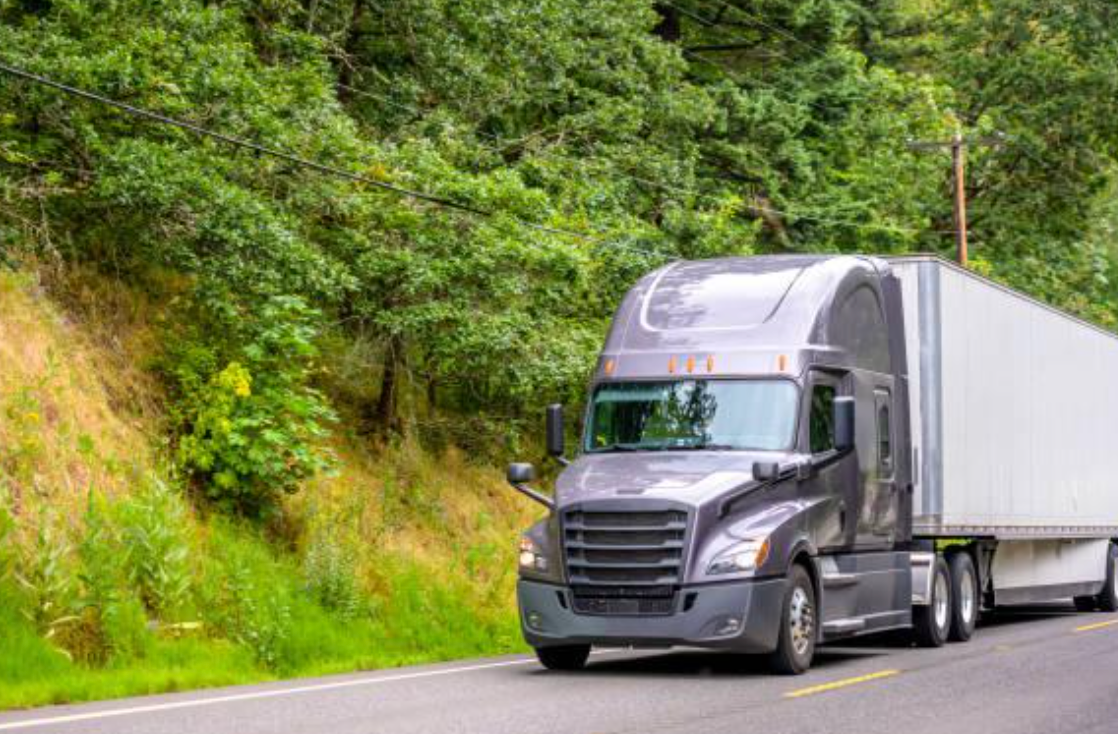
The difference between interstate and intrastate trucking comes down to state lines and federal oversight. Interstate trucking involves transporting goods across state lines or between states.
Intrastate trucking happens entirely within one state’s borders. This distinction may seem small, but it affects regulations, insurance requirements, and legal rules, especially after a truck crash.
Understanding this difference is important for drivers, trucking companies, and accident victims. The type of trucking operation determines which laws apply and which agencies have authority.
Let’s break it down in simple terms.
What Is Interstate Trucking?
Interstate trucking involves moving goods:
- From one state to another
- Across state lines during the trip
- Between the U.S. and another country
- Within one state but as part of a shipment that began or will end in another state
For example, if a truck picks up goods in Texas and delivers them to Oklahoma, that is interstate trucking.
Because these trucks operate across state lines, they must follow federal regulations. These rules are enforced by the Federal Motor Carrier Safety Administration (FMCSA).
Interstate trucking companies must comply with:
- Federal hours-of-service rules
- Federal vehicle inspection standards
- Federal licensing requirements
- Minimum federal insurance limits
These regulations are designed to create consistent safety standards nationwide.
What Is Intrastate Trucking?
In contrast, intrastate trucking happens entirely within one state.
For example:
- A truck picks up goods in Dallas and delivers them to Houston.
- A delivery truck operates only inside California.
- A construction company moves materials within Florida.
In these cases, the truck never crosses state lines. Because of that, the trucking operation is regulated mainly by state law rather than federal law.
However, some states adopt rules similar to federal standards. Others may have slightly different requirements for:
- Driver qualifications
- Insurance limits
- Weight restrictions
- Hours-of-service rules
This is where things can become complex.
Why the Difference Matters
Now that we understand the definitions, it is important to see why this difference matters.
The type of trucking affects:
- Which laws apply
- Which safety standards must be followed
- Insurance coverage requirements
- Legal claims after accidents
For example, interstate carriers must carry higher minimum insurance limits under federal law. Intrastate carriers may have lower state-required limits.
This difference can impact compensation in accident cases.
Insurance Requirements: A Key Distinction
Insurance is one of the biggest differences between interstate and intrastate trucking.
Interstate trucking companies must carry minimum liability coverage set by federal law. In many cases, this is at least $750,000, though it can be higher depending on the cargo.
Intrastate trucking companies follow state insurance rules. These limits may be
- Lower than federal requirements
- Similar to federal limits
- Based on vehicle weight
Because insurance affects financial recovery, knowing whether a truck was operating interstate or intrastate can be very important in legal claims.
Driver Regulations and Licensing
Another major difference involves driver qualifications.
Interstate drivers must:
- Have a valid Commercial Driver’s License (CDL)
- Meet federal medical standards
- Follow federal hours-of-service limits
Intrastate drivers must also meet licensing requirements. However, medical and driving hour rules may vary slightly by state.
Some states allow different age requirements for intrastate drivers. For example, drivers under 21 may operate commercially within a state but cannot drive across state lines.
How This Impacts Truck Accident Cases
When a crash happens, determining whether the truck was operating interstate or intrastate helps identify:
- Which laws apply
- Which agency has authority
- What insurance limits are available
- Whether federal safety violations occurred
This information can influence how a claim is handled and how much compensation may be available.
Attorneys often review shipping documents, driver logs, and delivery routes to determine the correct classification.
Key Takeaways
- Interstate trucking crosses state lines or involves interstate commerce.
- Intrastate trucking operates entirely within one state.
- Interstate carriers follow federal regulations and higher insurance minimums.
- Intrastate carriers follow state-specific rules.
- The distinction can affect insurance coverage and legal claims.