A Simple Guide for Parents Navigating Their Child’s First Orthodontic Visit
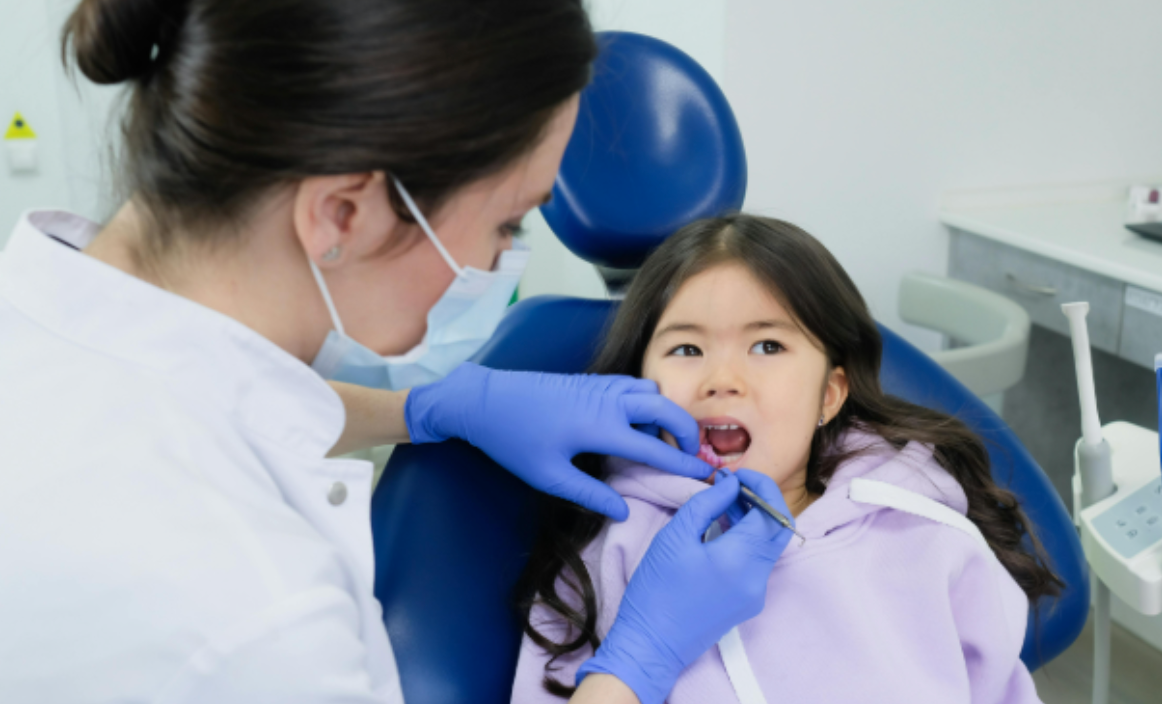
Many parents feel unsure about the right moment to book their child’s first orthodontic visit. Some notice crooked teeth. Others see early crowding or a bite that looks uneven. Many parents also worry that waiting too long might make treatment harder later. These concerns are common, and families in Delaware often share the same questions. The good news is that the first visit can give clear answers that help parents understand what their child needs now and what may come later.
An early visit does not always lead to treatment. In many cases, the appointment works as a simple check to see how the teeth and jaw are growing. The orthodontist looks at patterns that parents may not notice at home. This helps catch concerns before they grow into larger problems.
This guide aims to give parents clear details without confusing terms or long explanations.
Why Early Orthodontic Visits Matter
An early visit gives the orthodontist a chance to see how your child’s teeth and jaw grow. Growth changes happen fast during childhood, and small issues can turn into bigger concerns if parents wait too long. When an orthodontist checks a child early, they can guide the growth of the jaw, watch tooth spacing, and point out habits that may affect development.
This early look helps parents stay ahead of problems like crowding, shifting, or bite imbalance. Early checks do not always lead to treatment, but they give a clear picture that helps families plan. Parents also gain peace of mind because they know someone is watching these changes with a trained eye. If you’re looking for a professional that offers the best orthodontics Delaware has quite a few options, like Greeley & Nista Orthodontics.
Such professionals can help parents understand how a child’s bite and jaw are developing. Their approach supports long-term dental health and gives children a comfortable start to their orthodontic care.
Preparing Your Child Before the Appointment
Preparation helps reduce stress. Parents can start by telling their child that the orthodontist will look at their smile and see how the teeth grow. Simple explanations work best. Children feel calmer when they know the visit will not hurt. You can tell them that the orthodontist may take pictures or X-rays to help understand their teeth better.
It also helps to bring any dental records or notes from your child’s dentist. If your child has questions, answer them honestly. If you do not know the answer, let them know you will ask during the visit. This builds trust and helps your child feel safe and supported.
Why X-Rays and Photos Help the Evaluation
X-rays and photos give a view that parents and dentists cannot see during a normal checkup. X-rays show how adult teeth form and where they sit under the gums. Photos help track changes over time.
These tools help the orthodontist make clear decisions about timing and treatment needs. They also help parents see the same things the orthodontist sees. This brings clarity and removes guesswork during the planning stage.
Questions Parents Should Ask During the Visit
Parents gain more from the visit when they ask questions. It helps to ask why the orthodontist recommends a certain approach. Parents can ask about the length of treatment, the type of appliance, and how often visits will take place.
It also helps to ask how the treatment supports long-term growth and what signs parents should watch for at home. Cost and payment options should be clear as well. Some offices offer payment plans that help families manage treatment without stress.
These questions support good communication. When parents understand each step, they feel more confident and make informed decisions for their child. This also builds trust between the family and the orthodontic team.
Understanding Treatment Options for Growing Children
Orthodontic care for children can involve different types of appliances. Braces help align teeth and correct bite patterns. They work well for crowding, spacing, and shifting. Clear aligners may work for older children who can follow instructions and keep the trays in place. Growth guidance appliances help the jaw develop in a healthy way. These tools can support correct bite function and reduce the need for more complex treatment later.
Each option serves a specific purpose. The orthodontist reviews the child’s age, growth stage, and dental needs before recommending a method. Parents benefit from a simple explanation of how the appliance works and what daily care looks like. This helps the child adjust well and take an active role in their own progress.
A child’s first orthodontic visit gives parents clear insight into growth, tooth position, and future needs. The appointment shows what is happening now and what to expect as the child develops. When parents understand each part of the visit, they feel more at ease and make informed choices.
Children benefit from early guidance, steady support, and a clear plan. With simple steps and open communication, families can move through the process with confidence. This early visit sets the foundation for a healthy and well-aligned smile that supports long-term dental health.